
Last updated October 30, 2026
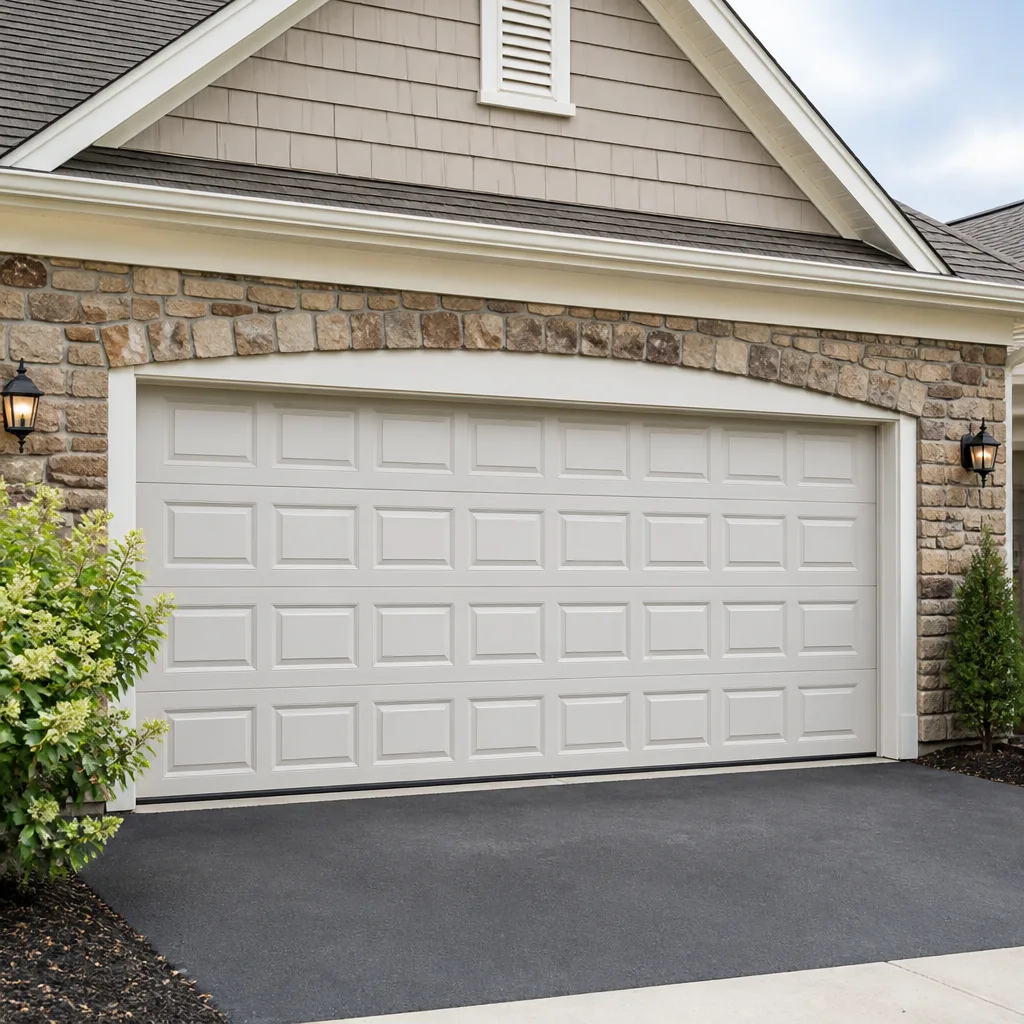 Raised-panel steel
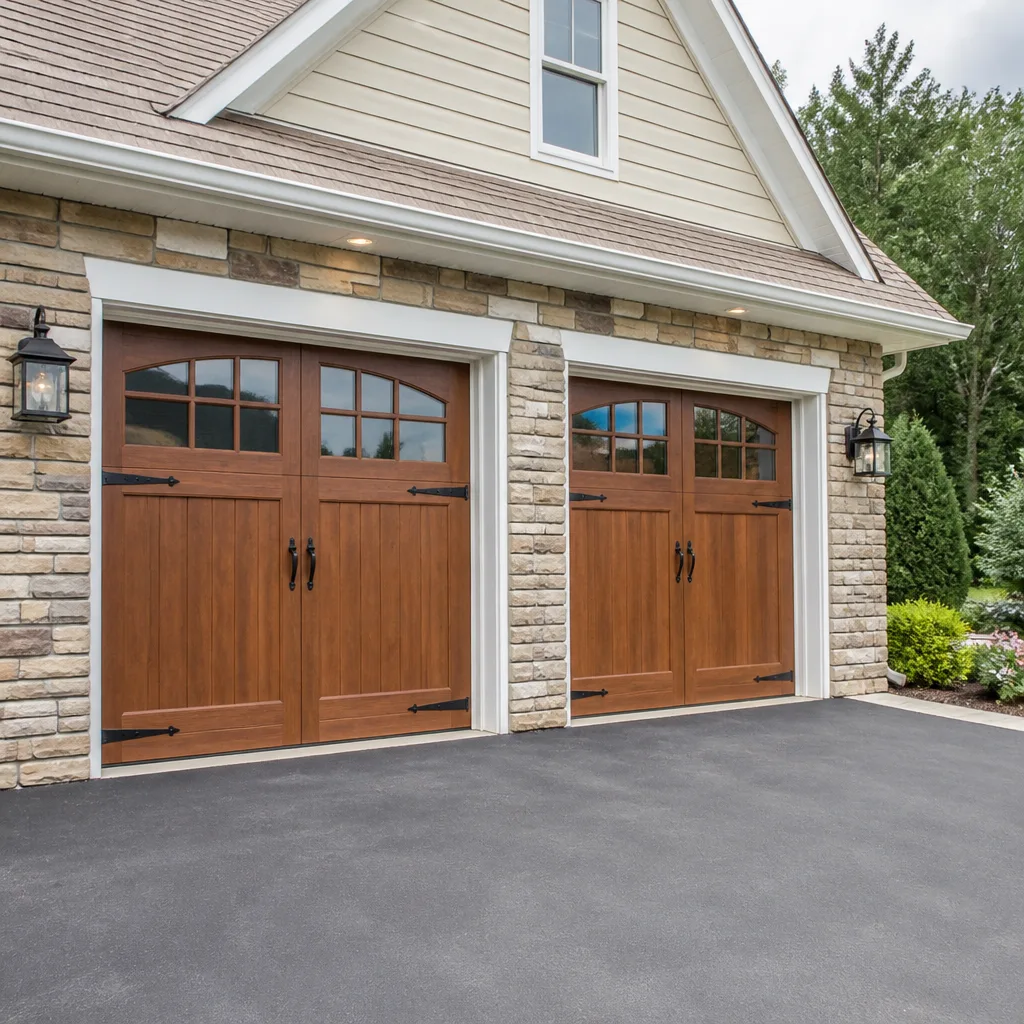 Carriage house
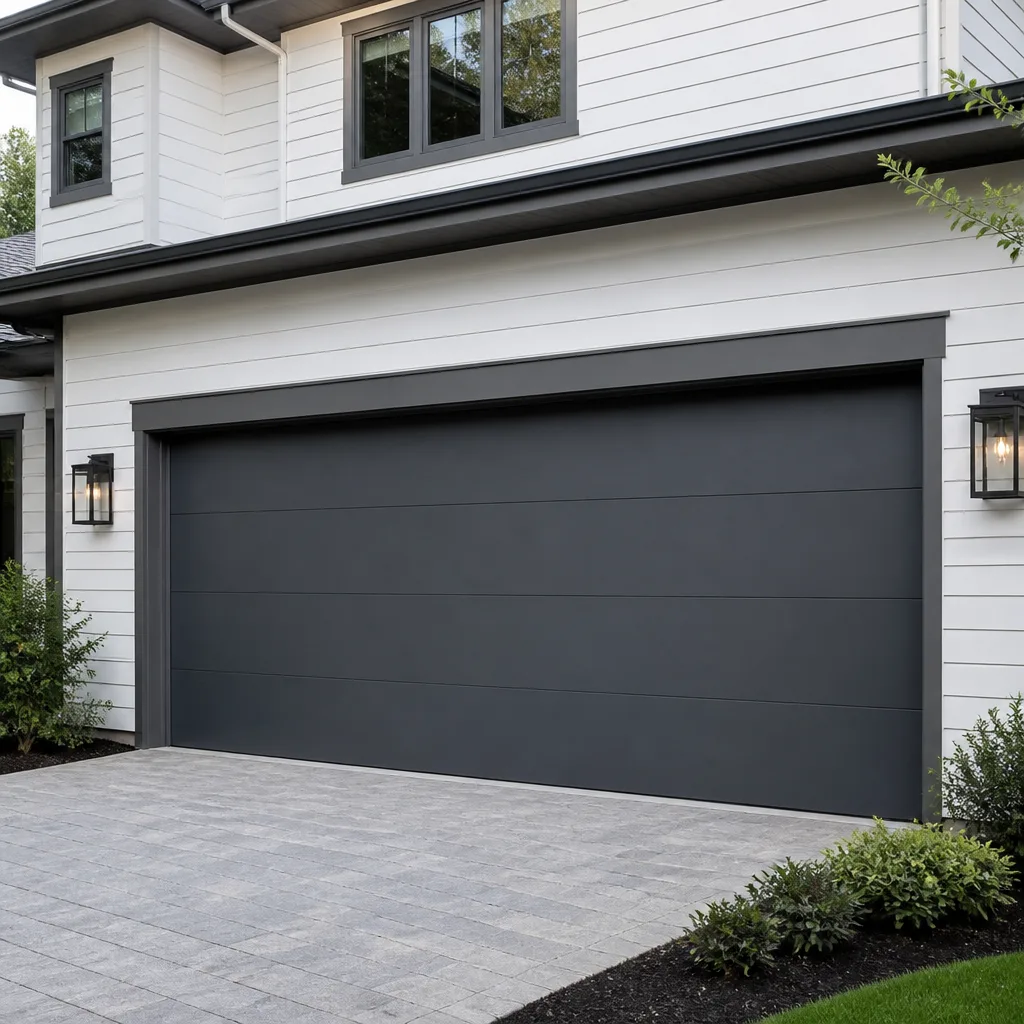 Modern flush
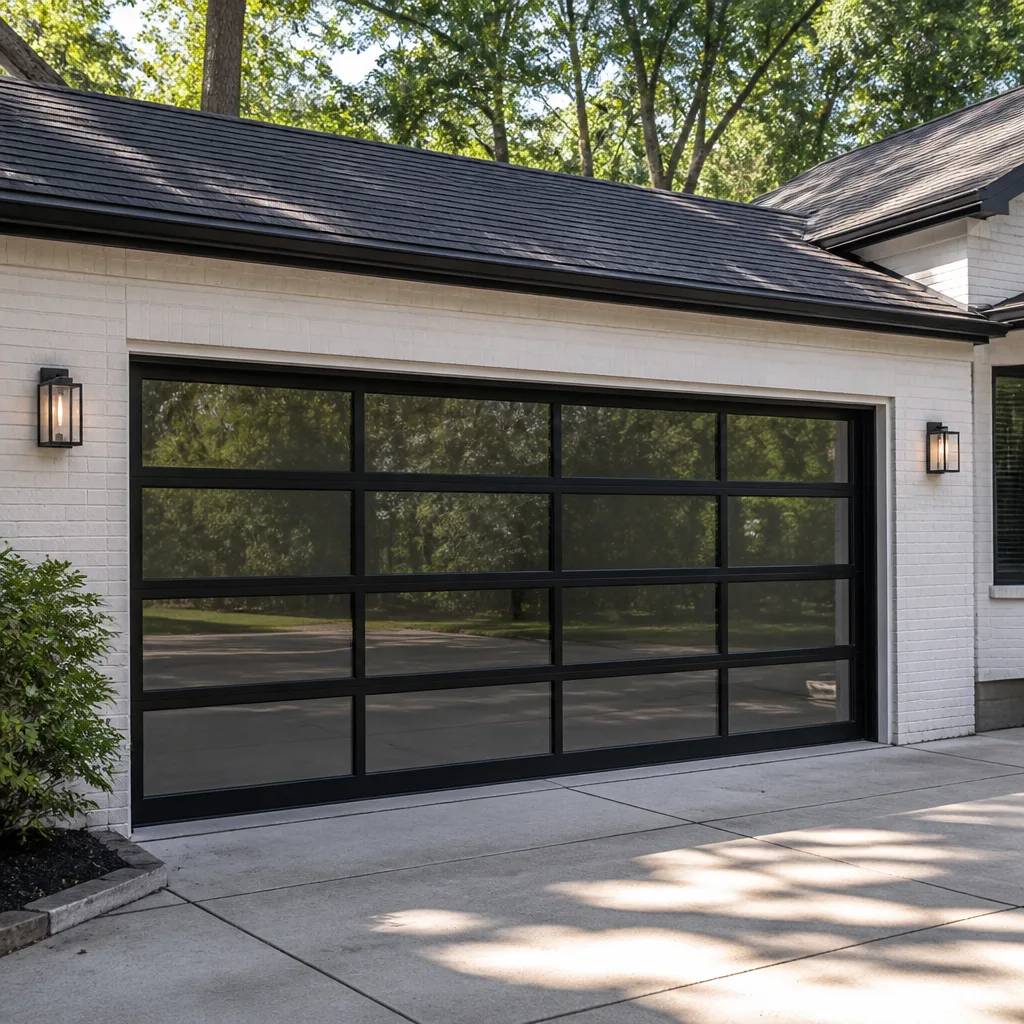 Full-view glass
 LiftMaster openers
 Chamberlain openers
Full 25-point door and opener safety check with every visit - springs, cables, rollers, tracks, and your LiftMaster or Chamberlain opener included
You get a price before we start. It does not change when the truck arrives.
Get your free estimateGarage Door Permits, Codes & Inspections in CA: What You Need to Know
Upwards of 70% of garage door replacements in Orange County happen without a permit, and most homeowners never find out until they’re sitting at a closing table seven years later. The buyer’s inspector flags the unpermitted work, the lender hesitates, and suddenly a job that saved $200 in permit fees is costing $5,000 in escrow credits. This guide explains exactly when a garage door project triggers California permit requirements, what the City of Santa Ana specifically requires, how seismic codes affect your opener, and what to do if you discover previous work was never permitted. It’s everything we’ve learned from working on residential doors across Santa Ana, written so you don’t get caught off guard.
Styles & brands we work with
Quick Answer
In California, a simple garage door replacement on an existing opening generally does not require a building permit, but structural modifications, new openings, and certain opener installations do. In Santa Ana specifically, any work that changes the door opening dimensions, alters load-bearing framing, or installs a new electrical circuit for an opener will require city permits and an inspection. When in doubt, call the Santa Ana Building Division before work starts, not after.
Table of Contents
- When a Garage Door Permit Is Required in California
- When You Don’t Need a Permit
- City of Santa Ana Permit Requirements Beyond State Code
- California Seismic Disconnect Requirements for Garage Door Openers
- How to Verify Whether Previous Work Was Permitted (And What to Do If It Wasn’t)
- The HOA Overlay: When CC&Rs Add a Second Approval Layer in Santa Ana
- What an Inspection Actually Checks: The Three Technical Points
- Common Mistakes to Avoid
- When to Call a Professional
- Frequently Asked Questions
- The Bottom Line
When a Garage Door Permit Is Required in California
California Building Code (CBC) Section 105 exempts many routine residential repairs from permitting, but the line between “repair” and “alteration” is where homeowners get into trouble. A permit is triggered when the work involves structural changes, changes to the building envelope beyond cosmetic replacement, or new electrical circuits. For garage doors, that translates to three specific scenarios.
First, any modification to the door opening itself. If you’re widening a single-car garage opening to fit a double door, enlarging the header, or cutting a new opening where none existed, that’s structural work. The header above the opening carries load from the roof or second story. A permit ensures an engineer or the building official has verified the new header size, the king studs, the jack studs, and the shear wall requirements. In Santa Ana, this work falls under the city’s building permit requirements and always requires plans.
Second, new electrical work. A garage door opener that plugs into an existing ceiling receptacle generally doesn’t need a permit. But if your garage has no receptacle and you need a new circuit run from the panel, an electrician must pull a permit for the new circuit. This is true under the California Electrical Code, and the City of Santa Ana enforces it. Some older Santa Ana homes built in the 1950s and 1960s have garages with a single light fixture and no outlet within reach of the opener location. Running a new 120-volt circuit is a permitted job, not a handyman swap.
Third, certain fire-separation requirements. In California, garages are separated from living space by a fire-rated assembly, which includes the door between house and garage, the common wall, and the ceiling. If a garage door replacement involves any modification to the surrounding wall assembly, and that wall is the fire separation wall, a permit is required. Simple panel replacement on a Clopay or Amarr door doesn’t trigger this. Cutting into the wall to install a new, wider door frame does.
What we see most often in Santa Ana is a homeowner replacing a rotted door jamb. That sounds minor. But the jamb is part of the door assembly, and if replacement requires removing sheathing or altering the framing connection, it can edge into permit territory. The Building Division in Santa Ana fields these questions daily at (855) 341-7810, and they’re generally willing to tell you over the phone whether your specific scope needs a permit.
When You Don’t Need a Permit
The good news is that most garage door work in Santa Ana does not require a permit. California Building Code Section 105.2 exempts “ordinary repairs” from permitting requirements. Ordinary repairs are defined as work that replaces existing components with similar components, doesn’t affect structural elements, doesn’t alter the building’s floor area, and doesn’t involve new electrical or plumbing systems.
Here’s what that practically covers:
- Replacing an existing garage door with a new door in the same size opening. If your current door is a 16×7 and the replacement is a 16×7, no permit is needed, whether you’re installing a Clopay steel door, an Amarr wood composite, or a basic Wayne Dalton model.
- Replacing torsion springs, extension springs, cables, rollers, hinges, or tracks. These are wear components. Swapping them is maintenance, not alteration.
- Replacing weathered panels on the same door. If a Clopay panel cracks or a Craftsman door section warps, you can replace the section without a permit as long as the door remains the same size and configuration.
- Replacing an existing garage door opener when a receptacle is already present. If your old Chamberlain opener had a cord-and-plug connection to an existing outlet, a new LiftMaster opener plugs into that same outlet. No permit.
- Repainting, re-caulking, weatherstripping, and threshold repair. Cosmetic and maintenance work on the door or the opening falls outside permit scope.
We replaced a door on a home in the West Floral Park neighborhood of Santa Ana recently where the homeowner had been told by a big-box installer that they needed a permit for a simple 16×7 replacement. They didn’t. The new door went into the same opening, same tracks, same everything. Had they paid for a permit, they’d have wasted $200 to $400 and added three weeks of waiting for an inspection that wasn’t required. That experience is part of why our Garage Door Repair in Santa Ana process includes a scope review so homeowners know upfront whether their job is exempt.
City of Santa Ana Permit Requirements Beyond State Code
Santa Ana adopts the California Building Standards Code (Title 24) with local amendments, and the City’s Building Division has specific administrative rules that differ from neighboring cities like Irvine or Anaheim. Here’s what Santa Ana homeowners should know that goes beyond state baseline.
The City of Santa Ana requires building permits for any work valued at $500 or more in labor and materials that isn’t otherwise exempt. This is a local administrative threshold, not a state code requirement. A new garage door installed for $1,800 to $3,500 would technically exceed this valuation, but the ordinary-repair exemption still applies when the opening isn’t modified. The valuation rule matters when the work goes beyond ordinary repair: for example, replacing rotted garage door framing members. That’s structural repair, not ordinary replacement, and it triggers the valuation rule.
Santa Ana also has specific energy code requirements. The California Energy Code (Title 24, Part 6) requires that replacement doors in conditioned spaces meet thermal performance standards. If your garage is conditioned space (it has insulated walls, is connected to household HVAC, or is a “living area converted garage”), the new door may need to meet specific U-factor requirements. Standard uninsulated steel doors from Amarr or Wayne Dalton may not comply if they’re in a conditioned building envelope. The City reviews this at plan check when a permit is pulled.
One more Santa Ana-specific note: the city requires a certificate of compliance or “as-built” documentation for any unpermitted work discovered during a resale inspection. In practice, this means if you sell your home and the buyer’s inspector flags garage work that seems recent and unpermitted, the Santa Ana Building Division may require you to file for a retroactive permit before escrow closes. We’ve seen this happen when a homeowner had a new garage door opening added by a contractor who skipped the permit, and the city flagged it during a point-of-sale inspection.
For a full replacement that’s simply a new door in the same opening, Santa Ana doesn’t require a permit. Our Garage Door Installation in Santa Ana service handles these exempt replacements regularly, and we tell every customer whether their specific job is exempt before we quote it.
California Seismic Disconnect Requirements for Garage Door Openers
Here’s a requirement most Santa Ana homeowners have never heard of: California Building Code Section 3001.2 requires that residential garage door openers have a seismic disconnect device that automatically disengages the opener motor from the door when significant seismic forces are detected. This has been in the code since the 1990s, and it’s specific to California’s seismic zones, which include Orange County.
The requirement exists because a garage door is the largest moving object in most homes. During an earthquake, if the opener motor continues to hold the door in place while the structure shifts, the door can bind, the tracks can twist, and the door itself can come off its rails. In the 1994 Northridge earthquake, several homes had garage doors partially derail, and the ensuing damage to both the door and the vehicles inside drove this code requirement.
In practice, what this means for you:
- All garage door openers sold in California today from LiftMaster, Chamberlain, and Genie include seismic disconnect mechanisms as standard. They’re internal to the motor unit and don’t require separate installation.
- Older openers, particularly those installed before 1995, may not have a seismic disconnect. If your Craftsman opener dates to the early 1990s or earlier, it’s likely non-compliant with current code.
- An inspector will check for seismic disconnect compliance when a permit is pulled for electrical work in the garage, even if the opener itself was existing work. This is one of the three technical points we list later in this guide.
Replacing a non-compliant opener is one of the more common reasons a homeowner in Santa Ana ends up with a code compliance issue. If your home has an old Chamberlain opener from the 1980s and you do a permitted electrical upgrade in the garage, the inspector may require you to replace the opener before signing off. Our Garage Door Opener Repair in Santa Ana team sees this regularly: an electrical inspector passes the new circuit but flags the ancient opener, and the homeowner has a choice between pulling an old opener out or failing the inspection.
The practical guidance: if your opener predates 1995, plan to replace it before any permitted garage electrical work, not after.
How to Verify Whether Previous Work Was Permitted (And What to Do If It Wasn’t)
This is the question we get most often from Santa Ana homebuyers who just closed on a house and noticed the garage door opening looks larger than the original builder plan. Here’s a step-by-step path to verification.
- Pull the city’s property file. The City of Santa Ana Building Division maintains permit history records. You or your agent can request the property’s permit history. This is a public records request, and the Building Division at 20 Civic Center Plaza can produce a list of permits issued for the address.
- Compare against known permit dates. If the garage door work happened during a period when no permits were pulled for the address, that’s a red flag. Note that not all garage door work requires a permit, so the absence of a permit isn’t automatically a problem. The question is whether the work required one.
- Look for a permit placard or inspection sticker. On permitted garage work, an inspector usually leaves a green sticker or placard on the electrical panel or the garage wall near the door.
- Check the building plan vs. the current opening. If the home’s original permit history shows a 16×7 opening and the current door is 18×8, the odds are high that the modification was unpermitted.
If you discover unpermitted work that required a permit, you have three options in Santa Ana. First, you can file for a retroactive permit. The city will inspect the work as-is, and if it meets current code, they’ll issue a permit after the fact. This sometimes involves opening up drywall or exposing framing to prove the structural work is sound. Second, you can do nothing and disclose the issue when you sell. This is the route most homeowners take, and it’s the route that creates title problems and escrow renegotiations later. Third, you can correct the work with a permit so that it’s compliant going forward.
The cost of a retroactive permit in Santa Ana is typically double the original permit fee. For a structural modification, that’s usually $300 to $800 in penalty fees on top of the standard permit fee. It’s cheaper than an escrow credit of $5,000 to $10,000, which is what unpermitted garage work often costs at resale in this market.
The HOA Overlay: When CC&Rs Add a Second Approval Layer in Santa Ana
Santa Ana has a substantial number of planned unit developments (PUDs) and HOA-governed communities, particularly in the newer developments east of the 55 freeway and in specific areas like South Coast Metro. If you live in an HOA, your garage door project has two approval layers: the city’s building code layer, and the HOA’s CC&R layer.
HOA approval is separate from city permitting. A project that doesn’t require a city permit may still require HOA architectural review. Most Santa Ana HOAs require approval for any change to the garage door’s appearance: color, material, style, even the presence or absence of windows. Replacing a wood door with a steel door of a different color is often an architectural violation without HOA sign-off.
What we see in practice: a Santa Ana homeowner installs a new Clopay door with a modern color and the HOA sends a violation letter demanding it be repainted or replaced. This happens routinely in communities with specific color palettes, like some of the tracts in the Morrison Park area and along East First Street.
HOAs can also restrict door materials. Some Santa Ana communities require panel designs that match the original builder spec, meaning a Wayne Dalton replacement that looks different from the original Amarr door could be denied even if it’s the same size and functionally better.
Before we start any replacement, we ask two questions: Is this an HOA property? If yes, have you submitted the door to your architectural committee? It adds two to four weeks to the project timeline in most Santa Ana HOAs, but it’s better than tearing out a new door because the committee rejected the panel style.
City code and HOA rules sometimes conflict. The city permit process doesn’t check your HOA’s color palette, and the HOA doesn’t check seismic disconnect compliance. Both layers live independently, and both matter at resale.
What an Inspection Actually Checks: The Three Technical Points
When a Santa Ana building inspector signs off on permitted garage door work, they’re looking at three specific things. Knowing these in advance means no surprises at the final inspection.
- Structural load path. For any opening modification, the inspector verifies the header size, the number and placement of king studs and jack studs, and the connection hardware. In Santa Ana, where soil conditions range from sandy loam near the riverbed to more compacted soils in the central city, the structural check also includes the foundation connection at the opening. The inspector may require an engineer’s letter if the work involved cutting into an existing shear wall.
- Seismic disconnect compliance. On any permitted job that touches the opener, the inspector checks for the automatic seismic disconnect mechanism required by CBC Section 3001.2. If you have a newer LiftMaster or Chamberlain opener, this is a non-issue. If you have a 25-year-old Craftsman unit, the inspector will flag it and you’ll be replacing the opener before final sign-off.
- Electrical code compliance for the opener circuit. If a new circuit was pulled, the inspector verifies GFCI protection where required, proper grounding, and that the receptacle is correctly mounted. Santa Ana follows the current California Electrical Code, which requires GFCI protection for garage receptacles serving openers. Older receptacles that lack GFCI protection may need to be brought current as part of the permitted scope.
One note from our experience: inspectors in Santa Ana are generally collaborative, not adversarial. If you or your contractor calls the inspector’s office before the work starts and walks through the scope, the inspection usually goes smoothly. It’s the surprise inspections after an unpermitted-job complaint that tend to go badly.
Common Mistakes to Avoid
- Assuming all garage door work is exempt. Panel replacement in the same opening is exempt. Modifying the opening is not. In Santa Ana, a widened opening without a permit is the most common unpermitted garage issue we run across.
- Skipping HOA architectural approval. The city doesn’t care what color your door is. Your HOA does, and violation fines in some Santa Ana communities run $50 to $100 per week until corrected.
- Installing a new opener on an old circuit without checking GFCI. If your garage receptacle predates GFCI requirements and your new opener is on a permitted job, the inspector may require the circuit to be brought current.
- Paying for a permit you don’t need. A same-size door replacement on an existing opening doesn’t need a city permit in Santa Ana. Some contractors charge for a “permit coordination” fee on exempt work. Ask for the city’s written determination before you pay.
- Ignoring the seismic disconnect requirement on old openers. A 30-year-old Craftsman or Genie opener may function fine but fail a code inspection. If a permit is ever pulled on your garage electrical, that opener becomes a compliance item.
- Assuming a paid contractor means a permitted job. The permit is the homeowner’s legal responsibility in California, not the contractor’s. If the contractor skips the permit and disappears, the city comes after you.
- Failing to disclose unpermitted work at sale. California’s seller disclosure requirements include known unpermitted work. Failing to disclose is fraud, and the buyer’s recourse is against you personally, not the contractor who did the work.
When to Call a Professional
If your garage door project involves any of the following, a professional is not optional: an opening modification that requires structural work, a new electrical circuit for an opener, a fire-separation wall modification, or a replacement on an HOA property where the architectural committee needs plans. These are not DIY scopes, and the code requirements in Santa Ana are specific enough that getting them wrong means redoing the work. We’ve walked into garages in Santa Ana where a homeowner tried to widen an opening themselves and the header sag was visible from the street.
The good news is that most of what we do, whether it’s a garage door repair, an opener repair, or a full installation, falls under the ordinary-repair exemption and doesn’t require a permit at all. Santa Ana Garage Door Service offers free estimates in Santa Ana, we work on doors from Clopay, Amarr, Wayne Dalton, and Craftsman, and we’ll tell you upfront whether your job needs a permit or not. Call (855) 341-7810 and we’ll walk the scope with you before you spend a dollar on a permit you may not need.
Frequently Asked Questions
No, if you’re replacing an existing garage door with a new door in the same size opening, no city permit is required in Santa Ana under the California Building Code ordinary-repair exemption. A permit is required if you’re modifying the opening size, changing structural framing, or adding new electrical circuits.
A building permit for structural garage work in Santa Ana typically ranges from $150 to $400 depending on the project valuation, and a separate electrical permit for a new opener circuit adds $75 to $150. Retroactive permits for previously unpermitted work carry penalty fees that usually double the original permit cost. Call the Santa Ana Building Division at (855) 341-7810 for an exact fee schedule for your specific address.
Yes, if the opener plugs into an existing receptacle and no new wiring is involved, no permit is required. The California Electrical Code only triggers a permit when a new circuit is run or the existing circuit is modified. However, the opener itself must meet CBC seismic disconnect requirements, which all new LiftMaster, Chamberlain, and Genie models do.
Unpermitted structural work that required a permit must be disclosed on California seller disclosure forms. If the buyer’s inspector discovers it, the buyer can demand a retrofit permit, a price reduction, or cancellation of the transaction. Escrow credits for unpermitted garage work in Santa Ana commonly run $5,000 to $10,000 depending on the scope of the unpermitted work.
Yes, most Santa Ana HOAs require architectural committee approval for any garage door change to appearance, material, color, or style, even when the city doesn’t require a permit. HOA approval timelines in Santa Ana are typically 2 to 4 weeks, and violations can accrue daily fines until the door is corrected.
California Building Code Section 3001.2 requires that residential garage door openers automatically disengage from the door when significant seismic force is detected. All openers sold in California from LiftMaster, Chamberlain, and Genie meet this requirement, but pre-1995 models from Craftsman and other brands may be non-compliant and can fail a code inspection.
Call (855) 341-7810 for a free estimate on any Santa Ana garage door project, and we’ll tell you up front whether a permit applies to your specific scope.
The Bottom Line
Garage door permits in California are caught between two truths: most garage door work is ordinary repair that never needs a permit, and the work that does need a permit is exactly the work that creates title problems when skipped. In Santa Ana, the line is drawn at structural modification, new electrical circuits, and fire-separation changes. Seismic disconnect compliance is a California-specific requirement that catches older openers. HOA rules add a second approval layer in many Santa Ana communities. The smartest move is to know which side of the line your project falls on before you start, and to have a professional who understands both the city and the HOA landscape in Santa Ana. Most of what we do never touches the permit counter. But when it does, we tell you before the first panel comes off.
Written by the team at Santa Ana Garage Door Service, serving Santa Ana since 2011. From a snapped spring to a smart opener upgrade, it’s all one call: (855) 341-7810.
See the difference
 Before
 After
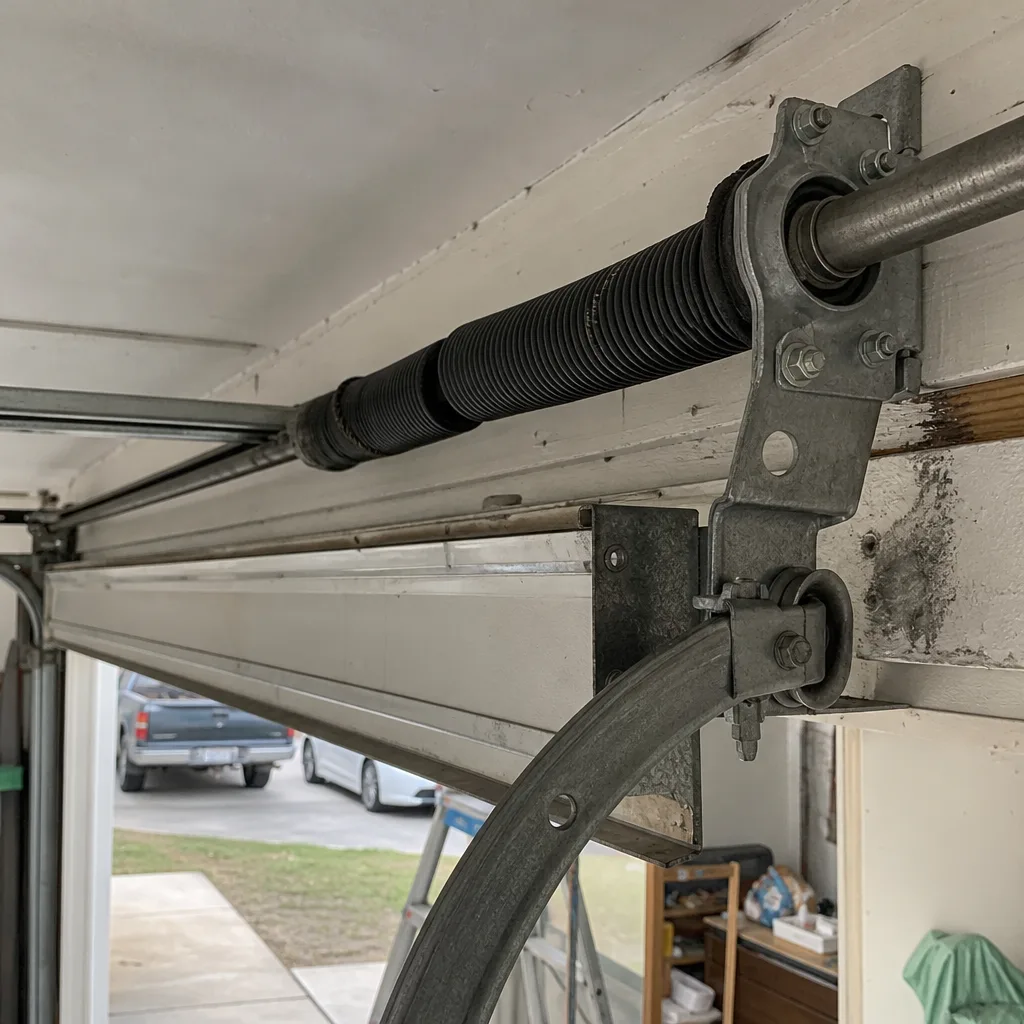 Before
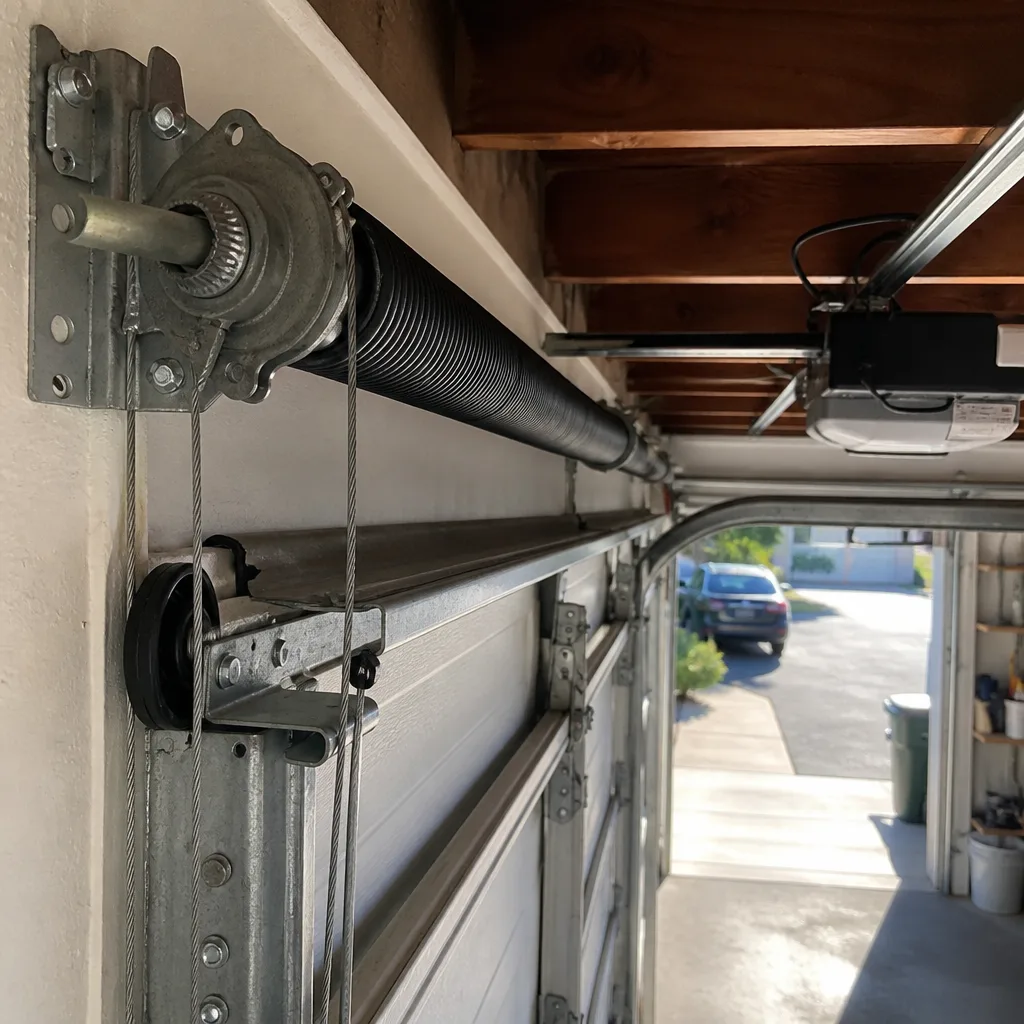 After
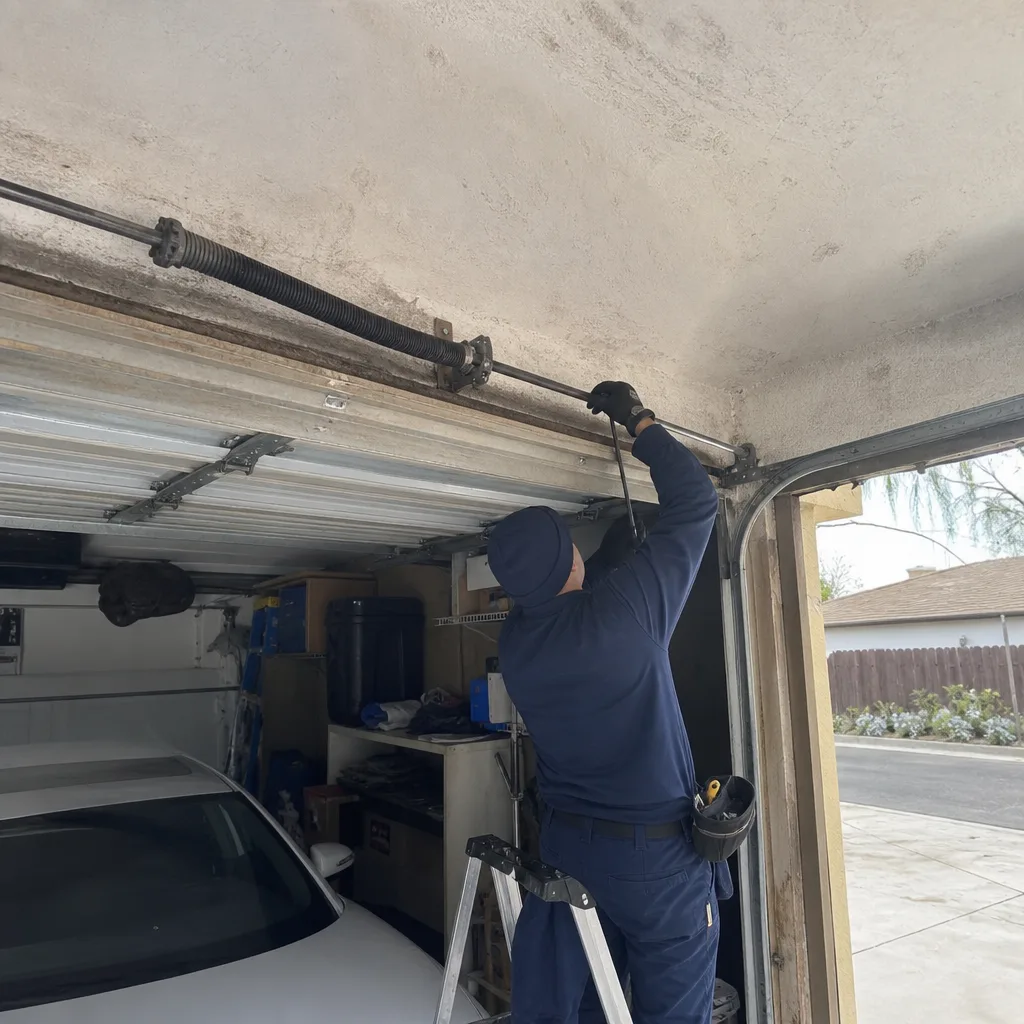 Before
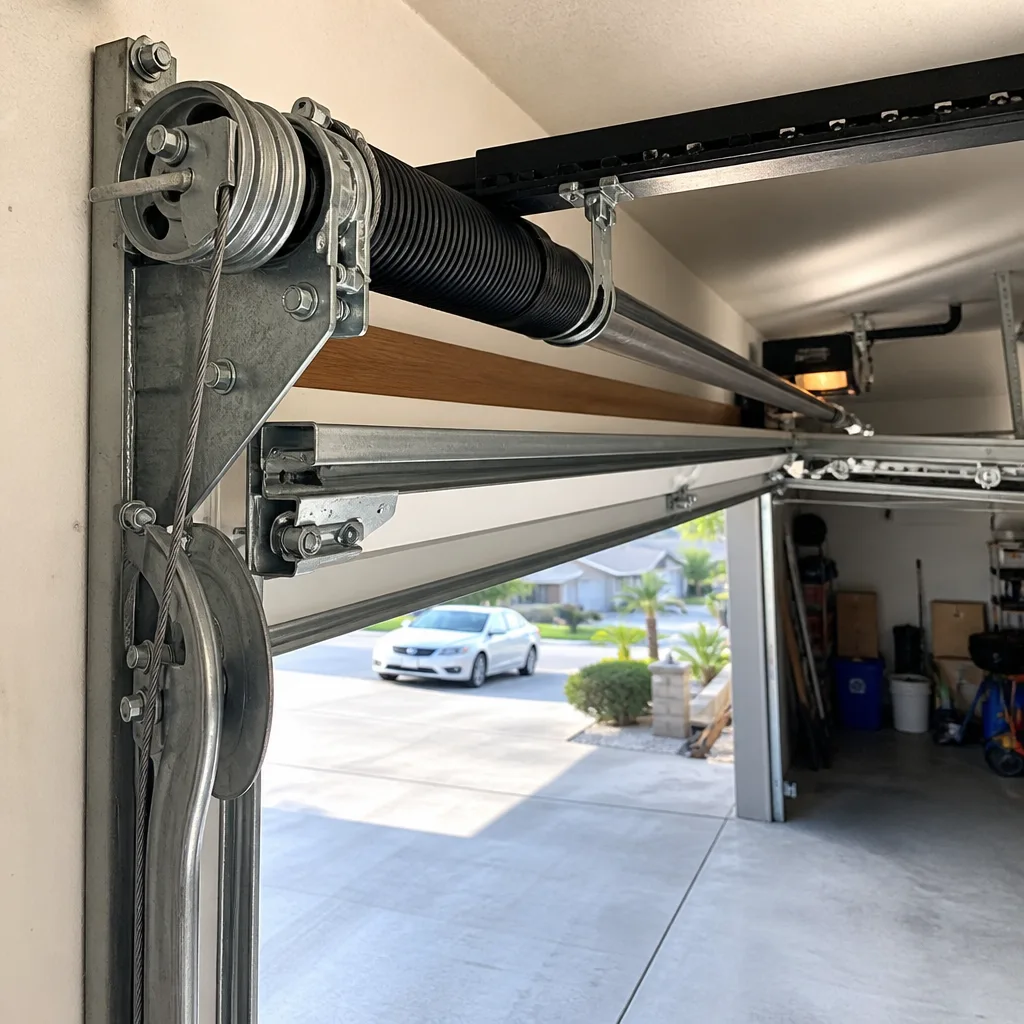 After