Last updated October 31, 2026
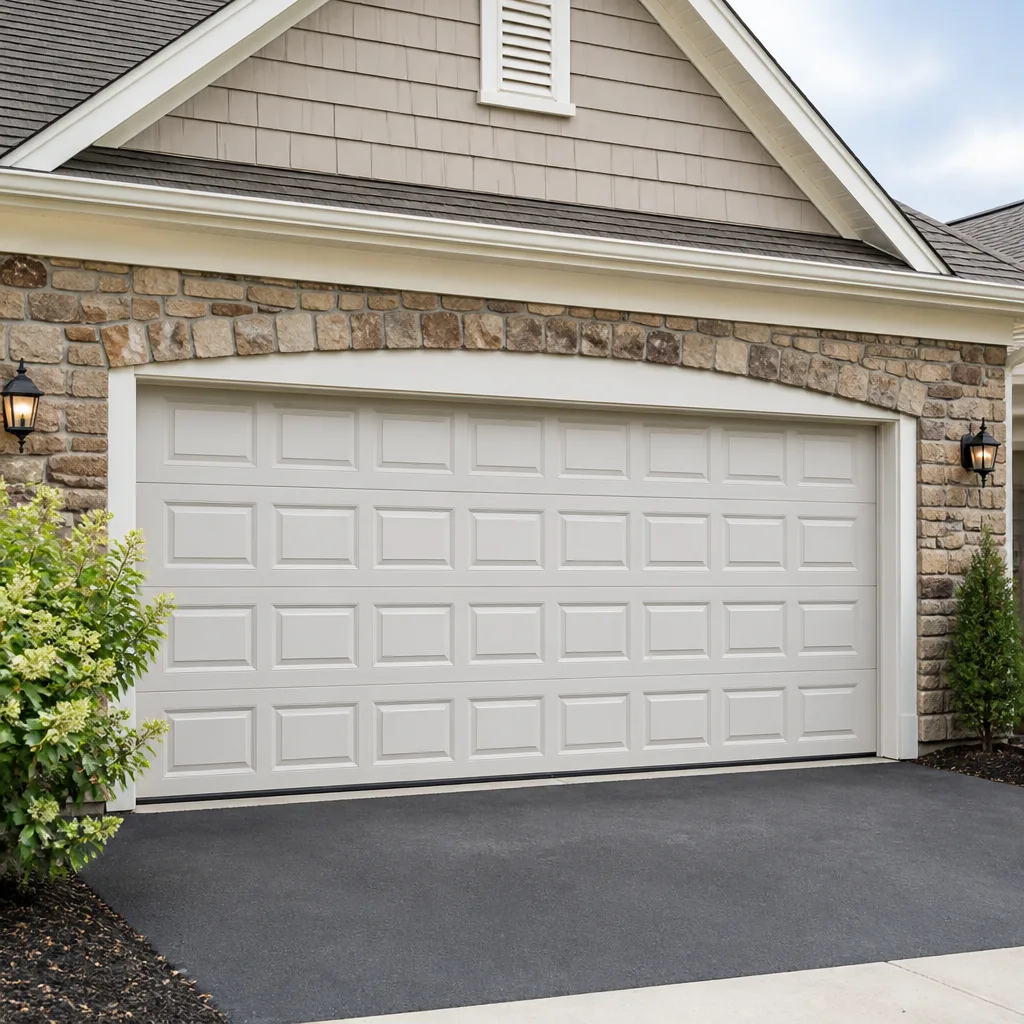 Raised-panel steel
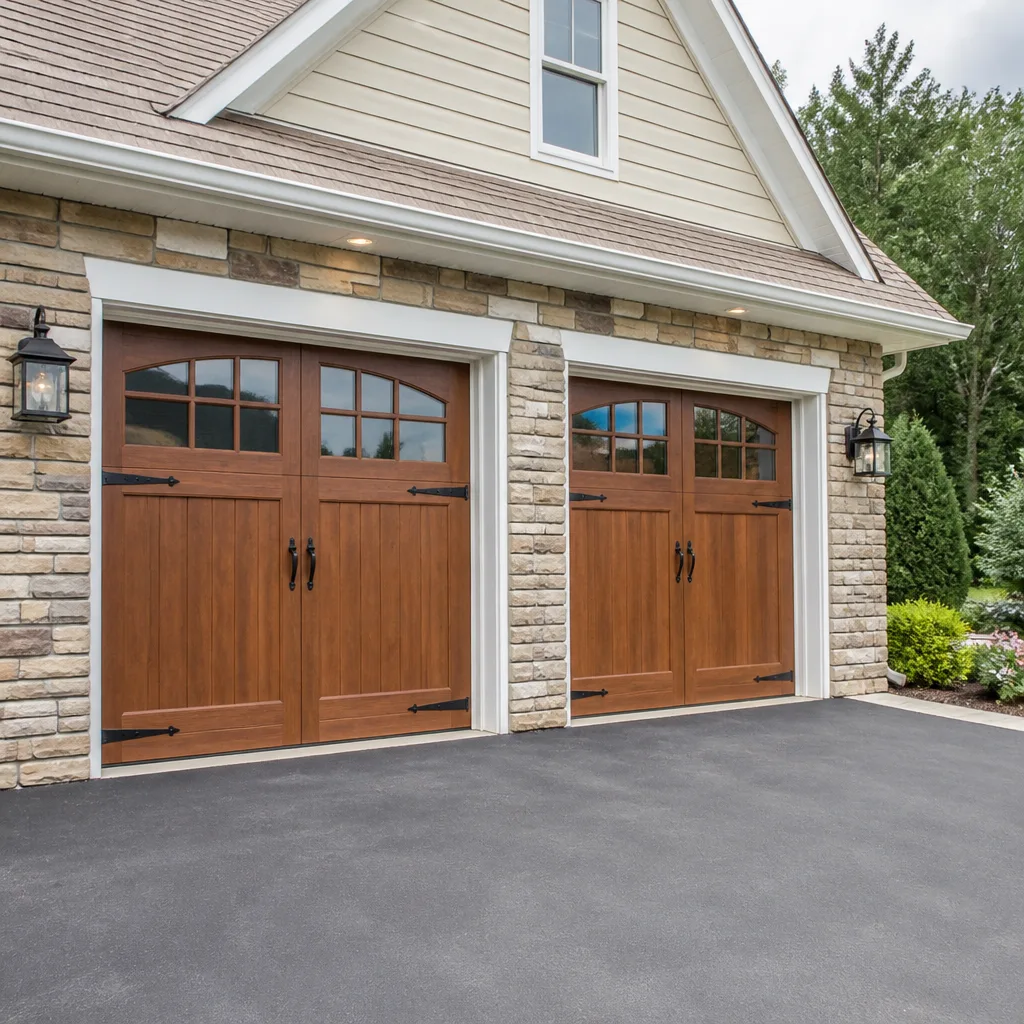 Carriage house
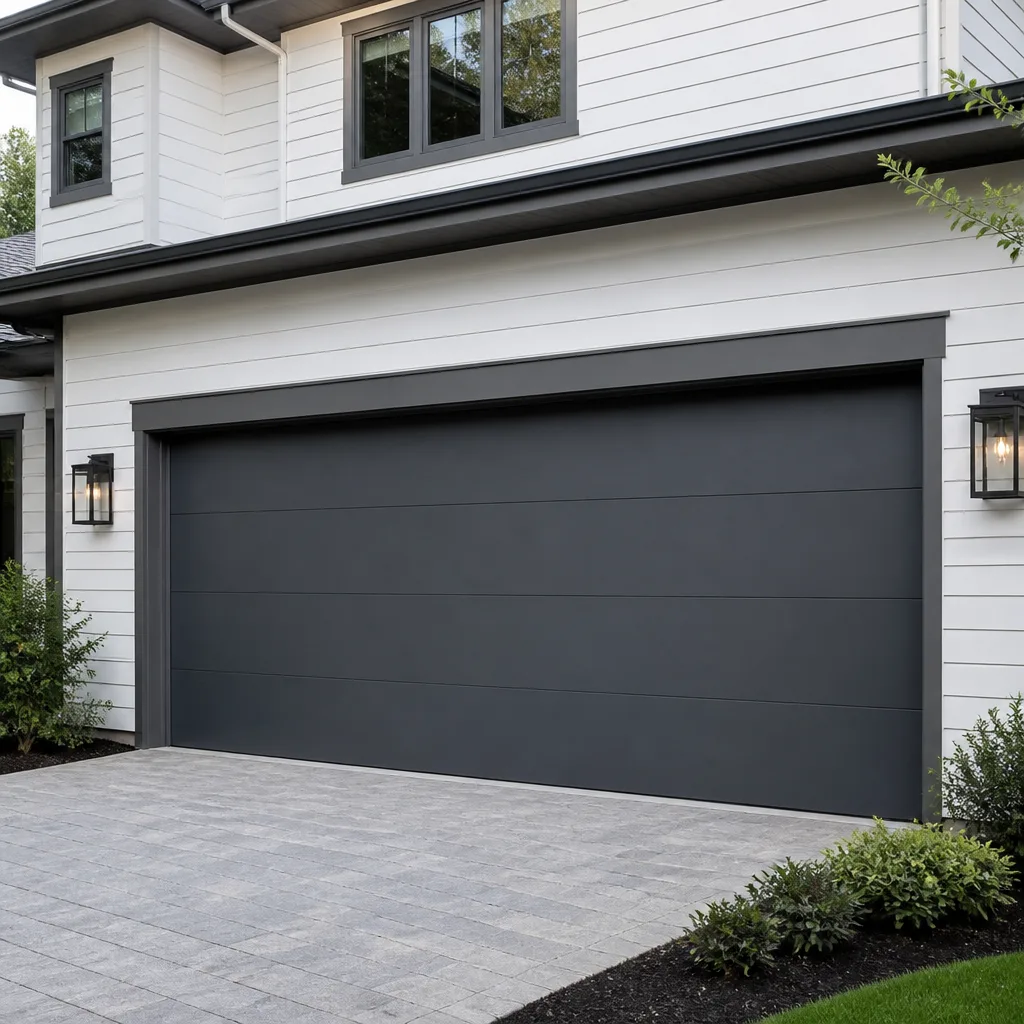 Modern flush
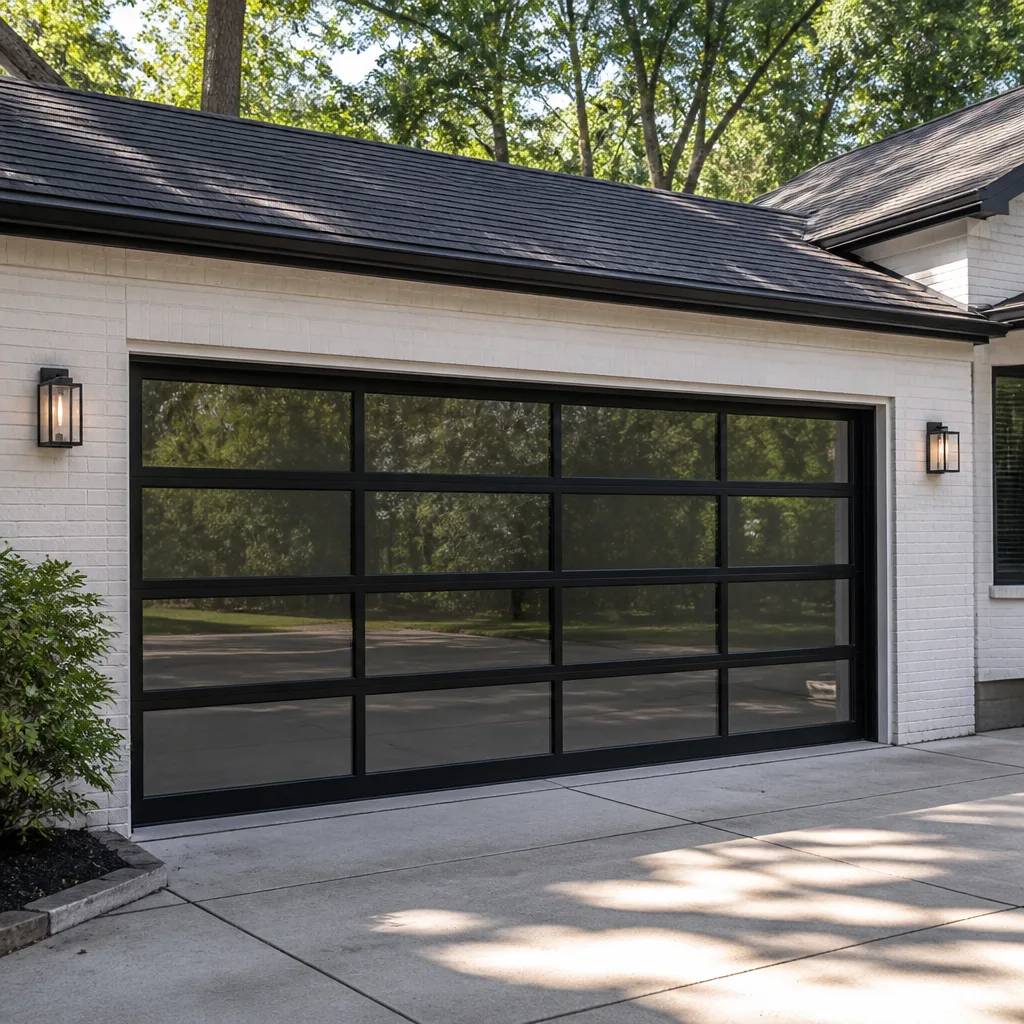 Full-view glass
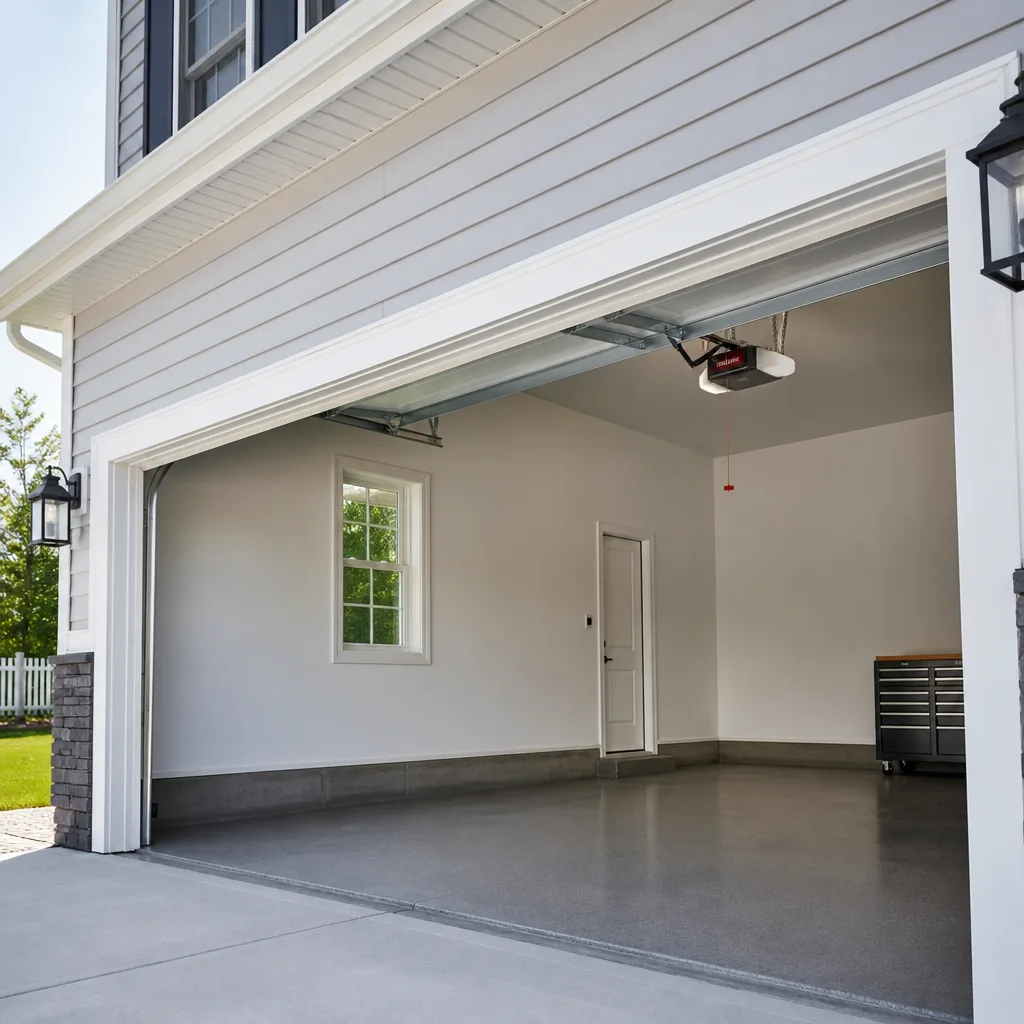 LiftMaster openers
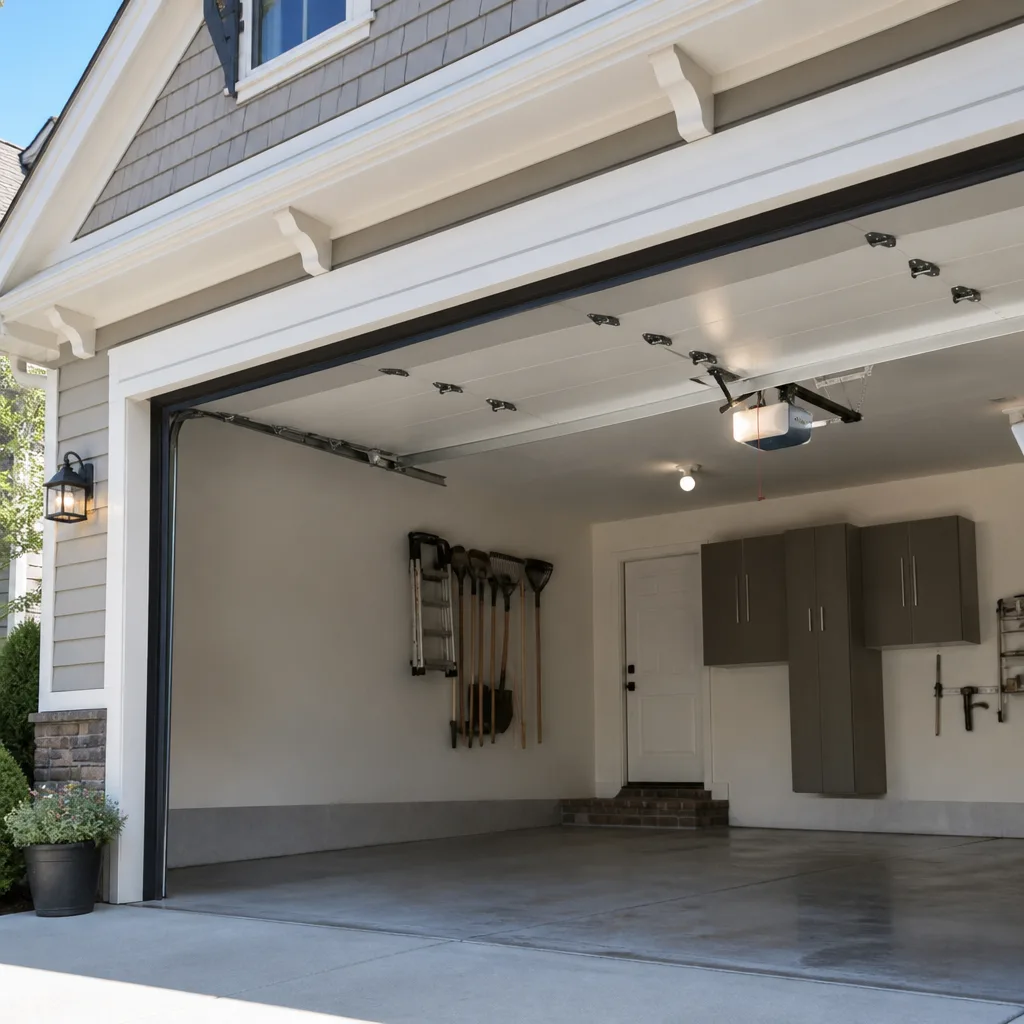 Chamberlain openers
Full 25-point door and opener safety check with every visit - springs, cables, rollers, tracks, and your LiftMaster or Chamberlain opener included
You get a price before we start. It does not change when the truck arrives.
Get your free estimateChoosing the Right Garage Door Brand: A Buyer’s Guide for Santa Ana
Most homeowners in Santa Ana start their garage door search by asking which brand is “best.” That’s the wrong question, and it leads to expensive mistakes. The brand that wins the most awards at trade shows is not necessarily the brand whose springs you’ll be able to replace affordably in Santa Ana in 2033. A garage door is a 15-to-20-year commitment, and what you’re really buying is the parts ecosystem behind it. In The Complete Guide to Garage Door in Santa Ana, we break down the five brands most commonly installed in Santa Ana homes and evaluate them on the criteria that actually matter after installation day: parts availability, local service density, failure patterns, and climate performance.
Quick Answer
The best garage door brand in Santa Ana is the one with the deepest parts availability and the largest local technician familiarity, not the one with the flashiest marketing. Clopay and Amarr consistently offer the strongest combination of durable steel construction, readily available replacement parts, and widespread service knowledge across Orange County. Wayne Dalton makes a solid door but carries proprietary hardware risks that can raise long-term costs. Genie builds reliable openers with predictable parts pipelines. For most Santa Ana homes, a Clopay or Amarr door paired with a LiftMaster or Chamberlain opener is the most serviceable combination you can buy.
Styles & brands we work with
Table of Contents
- Why Parts Ecosystem Longevity Matters More Than Features
- The Five Brands Most Commonly Installed in Santa Ana
- Material Performance in Santa Ana’s Climate
- The Proprietary Parts Trap: Which Brands Lock You In
- Match What You Have or Switch: A Decision Framework
- Opener Compatibility: The Part Most Buyers Overlook
- What Different Brands Actually Cost Over 15 Years
- Common Mistakes to Avoid
- When to Call a Professional
- Frequently Asked Questions
Why Parts Ecosystem Longevity Matters More Than Features
Here’s a scenario we see regularly at Santa Ana Garage Door Service. A homeowner buys a door in 2019 because it had the best insulation rating and a beautiful finish. Four years later, a spring snaps. They call us, and we discover the manufacturer discontinued that spring line in 2021. The replacement no longer exists, which means either an aftermarket spring of questionable fit or a full spring system conversion that costs three times what a standard spring replacement would have run.
That’s the parts ecosystem problem in one paragraph. A garage door is not a smartphone. You don’t replace it every two years when the next model comes out. You live with it for a decade and a half or more, and during that time, components will fail. Springs wear out. Cables fray. Rollers grind down. Hinges fatigue. Panels dent. Weather stripping rots. Every one of those failures should be a $150-to-$400 repair. But if the replacement parts are no longer manufactured or aren’t stocked by any local distributor, that $200 spring replacement becomes a $1,200 system conversion.
Santa Ana sits in a dense urban market within Orange County, which is actually an advantage. Distribution hubs for the major manufacturers are close. That means parts for high-volume brands reach local trucks faster than they do in rural markets. But that advantage only applies to brands with active, high-volume parts pipelines. A discontinued product line from a niche manufacturer is just as hard to source in Santa Ana as it is in Nebraska.
When we evaluate whether a homeowner should choose DIY vs Professional Garage Door service, we ask three questions. First, how many years has this product line been in continuous production? Second, how many local distributors stock its replacement parts? Third, how many working technicians in this market can correctly diagnose and repair it? The answers to those questions determine your total cost of ownership far more than the R-value printed in the brochure.
Our team works on eight major brands, including Clopay, Amarr, and Wayne Dalton doors. That cross-brand exposure gives us a clear picture of which manufacturers support their products long-term and which ones treat doors like disposable consumer goods. The difference shows up in your repair bill around year six or seven.
The Five Brands Most Commonly Installed in Santa Ana
Walk down any residential street in Floral Park, West Floral Park, or the Washington Square neighborhood, and you’ll see a fairly consistent mix of garage door brands. The five names that dominate Santa Ana homes are Clopay, Amarr, Wayne Dalton, Raynor, and Genie (though Genie is primarily an opener brand). Here’s an honest assessment of each based on what we encounter in the field.
Clopay: The Workhorse with Deep Parts Availability
Clopay is the most common door brand we service in Santa Ana, and for good reason. Their steel doors use standard-compatible hardware that multiple aftermarket manufacturers also produce. That means if a Clopay spring fails in year eight, you have options: OEM parts, aftermarket equivalents, or a full system conversion without changing the door itself. Clopay panels for their current product lines are still being manufactured, which means a dented bottom section can be replaced without replacing the entire door.
Failure patterns on Clopay doors are predictable. Springs last seven to ten years on average in Santa Ana’s climate. Rollers wear out faster on doors that face west and absorb afternoon sun. The doors themselves hold up well against UV exposure. The main weakness we see is the factory-installed bottom weather seal, which tends to dry out and crack after about five years of Santa Ana heat. It’s a cheap fix.
Verdict: Clopay is the safest long-term bet for most Santa Ana homeowners. Parts are abundant, local technician knowledge is high, and the doors themselves are built to standard specs that don’t lock you into proprietary components.
Amarr: Comparable Build Quality, Slightly Different Parts Chain
Amarr is a close second in terms of volume in this market. Their steel construction is comparable to Clopay’s, and their warranty documentation is actually more detailed than most competitors. What we appreciate about Amarr from a service perspective is that their hinge and roller designs follow industry-standard dimensions, which means replacement hardware is easy to source.
Amarr’s weakness in Santa Ana is distribution depth. While their parts are available, the number of local distributors stocking Amarr-specific components is slightly lower than what we see for Clopay. In practice, that can add a day or two to a repair timeline in rare cases. Not a dealbreaker, but worth knowing. Their door lines do hold up well to marine air, which matters for homes closer to the coast or in lower Santa Ana where morning humidity is a factor.
Verdict: Amarr is a strong choice, especially if you’re buying a mid-to-upper-tier steel door. Just be aware that some specialty components may take an extra day to arrive.
Wayne Dalton: Good Door, Proprietary Risks
Wayne Dalton builds a decent door. Their panels are solid, their paint finishes are above average, and their design options allow for some customization that other brands in the same price tier don’t offer. The problem is the proprietary torque tube system used on many of their models.
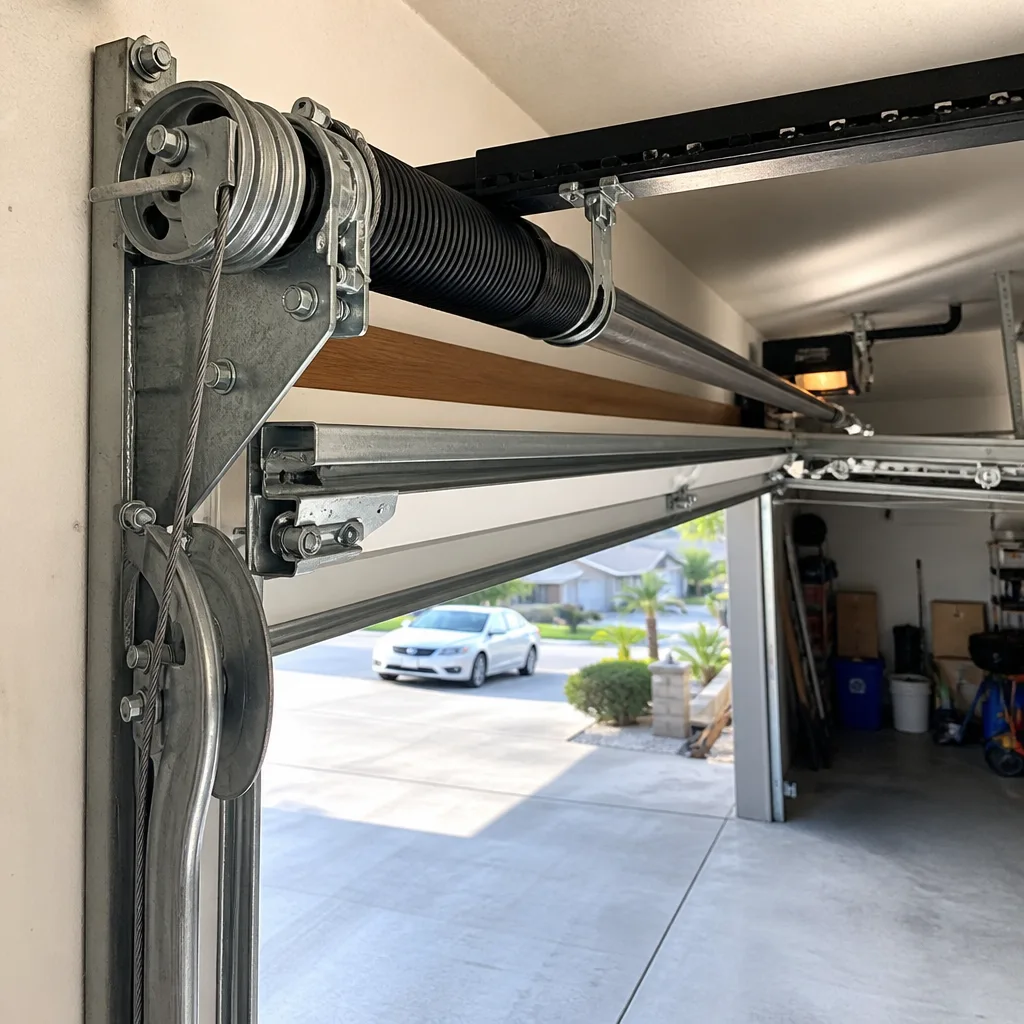
Most garage doors use a torsion spring system where two standard coil springs sit on a shaft above the door. Wayne Dalton’s TorqueMaster system encloses the springs inside a tube, which requires brand-specific parts and brand-specific knowledge to service. When that system fails, you cannot use a standard replacement spring. You either buy the Wayne Dalton proprietary replacement or pay for a full conversion to a standard torsion system. Both options cost more than a regular spring replacement on a Clopay or Amarr door.
We’re not saying avoid Wayne Dalton entirely. The doors themselves are well built. But if you buy one, understand that your long-term repair costs on the spring system will run higher than comparable brands. Some homeowners accept that trade-off for the aesthetics. Others don’t want the ongoing premium.
Verdict: Buy Wayne Dalton if you love the look and understand the proprietary parts premium. Buy Clopay or Amarr if you want the most economical repair path over the door’s lifetime.
Raynor: Niche Player with Limited Distribution
Raynor makes a very good door. Their steel is thick, their insulation packages are competitive, and their commercial-grade heritage shows in the build quality of their residential lines. The problem in Santa Ana is distribution. Raynor dealers are sparse in Orange County compared to Clopay and Amarr, which means fewer local technicians have deep experience with Raynor-specific quirks. Parts are available but often need to be ordered from further away.
Common failure points on Raynor doors mirror industry norms: springs, rollers, and cables. The doors themselves rarely fail structurally. But when a repair is needed, the parts sourcing process can add days to your timeline in this market. If you own a Raynor and it’s working, keep it maintained. If you’re buying new, consider whether the distribution gap matters to you.
Verdict: A quality product with a thin local support network. Better for homeowners who plan to keep the door long-term and don’t mind occasional parts lead time.
Genie: The Opener Specialist
Genie is included on this list because their openers are common in Santa Ana garages, often paired with a door from a different manufacturer. Genie openers are reliable, their parts pipeline is steady, and their screw-drive and belt-drive models both hold up well in this climate. The main failure we see on Genie openers in Santa Ana is the capacitor in the motor head, which tends to fail after six to eight years of heat exposure. It’s a repairable fix if you catch it early.
Genie’s weakness is the same as every opener brand: proprietary circuit boards. When the logic board fails on a Genie opener, the replacement board is Genie-specific and costs a meaningful fraction of a new opener. That’s true across brands, not a Genie-specific problem. Just know that opener electronics all carry this long-term cost.
Verdict: Genie openers are a solid choice, especially belt-drive models for attached garages where noise matters. The brand pairs well with any standard door.
Material Performance in Santa Ana’s Climate
Santa Ana sits roughly ten miles inland from the Pacific, which creates a very specific microclimate. We get hot, dry summers with regular 90-degree days from June through October. We get cool, damp mornings in the winter months when marine layer pushes inland. We get intense UV exposure year-round. And for homes in the lower-lying areas near the Santa Ana River, we get a measurable marine air influence that accelerates corrosion on untreated metal surfaces.
That combination should directly inform your material choice.
Steel: The Default Choice, With Gauge Matters
Most garage doors sold in Santa Ana are steel, and that’s appropriate for this climate. Steel handles heat well, doesn’t warp in dry conditions, and resists UV damage when properly painted. But steel gauge matters more than brand. A 24-gauge steel door is thinner and more prone to denting from bikes, basketballs, and everyday bumps. A 26-gauge steel door is thicker and better suited to a busy household. The strongest residential doors use 25-gauge or 24-gauge steel with internal bracing, but the differences between brands at the same gauge are marginal. What differs is the paint system. Clopay and Amarr both use multi-stage powder-coat processes that hold up well to Santa Ana sun. Cheaper brands fade within five years on west-facing doors.
Aluminum: Light and Corrosion-Resistant, But Delicate
Aluminum doors have one big advantage in our climate: they don’t rust. That makes them worth considering for homes in the more humid pockets of Santa Ana or for homeowners within a few miles of the coast who experience salt-tinged marine air. The downside is that aluminum dents easily. A bicycle pedal into an aluminum panel leaves a mark. Aluminum also transfers heat more readily than steel, which matters if your garage is attached and you care about temperature control. For most Santa Ana homes, aluminum is the right choice only if corrosion resistance outweighs dent resistance on your priority list.
Wood and Wood Composite: Beautiful, Expensive, High-Maintenance
Wood garage doors look stunning on Spanish Colonial and Craftsman homes, both of which are common architectural styles in Santa Ana’s historic districts. But wood and Santa Ana heat don’t mix without diligent maintenance. Wood expands and contracts with temperature swings. Sun exposure fades stains and cracks sealants. The lower humidity we get most of the year actually helps reduce wood rot risk compared to coastal communities, but the UV damage is relentless. Count on refinishing a wood door every two to three years in this climate. Wood composite doors reduce some maintenance but still cost significantly more than steel and carry the same hardware considerations.
Our recommendation for Santa Ana: a 26-gauge or thicker steel door with a quality powder-coat finish from Clopay or Amarr. It’s the best balance of durability, UV resistance, and long-term parts availability in this market.
The Proprietary Parts Trap: Which Brands Lock You In
The most expensive garage door you’ll ever own is the one with discontinued proprietary components. Here’s how the trap works.
Some manufacturers design their hardware using non-standard dimensions. That means when something breaks, the replacement must come from the same manufacturer. If that manufacturer has discontinued the line, you’re stuck. Your options are an aftermarket workaround (which may not fit correctly), a used part (which carries its own risks), or a conversion to standard hardware (which adds labor and material costs on top of the original repair).
The brands with the most standard-compatible hardware are Clopay, Amarr, and most Raynor lines. These use torsion spring dimensions, hinge patterns, and roller sizes that follow industry-wide conventions. That means a replacement spring or hinge can come from the OEM or from any of several aftermarket manufacturers that produce compatible components. More sources means better prices and faster repairs.
The brand with the most proprietary hardware exposure in the residential market is Wayne Dalton, specifically the TorqueMaster spring system we mentioned earlier. The enclosed tube design uses internal springs that are not interchangeable with standard torsion springs. Repairing a TorqueMaster failure requires either Wayne Dalton OEM parts or a full conversion to an external torsion system. The conversion is a legitimate option and we recommend it for homeowners who want to escape the proprietary cycle entirely, but it’s an added expense at the time of failure.
Opener brands present a similar dynamic on the electronics side. LiftMaster, Chamberlain, Genie, and Craftsman all use proprietary circuit boards and motor designs. That’s industry standard for openers and not specific to any one manufacturer. When an opener board fails, you buy the brand-specific board or you replace the opener. The difference is that opener circuit boards have become increasingly integrated, which means the replacement board cost is often 60 to 70 percent of a new opener. That math is worth remembering when your opener is eight years old and acting up.
The practical takeaway: choose a door brand that follows standard hardware conventions. You’ll pay less for every repair over the life of the door, and you’ll never be held hostage by a discontinued parts catalog.
Match What You Have or Switch: A Decision Framework
Here’s a scenario we see constantly. A homeowner has a 14-year-old door from a brand that’s been discontinued. The door still functions but is showing its age. They’re trying to decide whether to replace just the broken components or the entire door, and whether to stick with the same brand or switch.
Here’s the decision framework we walk homeowners through.
- Is the current door structurally sound? If the panels are not dented, the frame is square, and the track is in good shape, the door itself may have another five to ten years of life. In that case, repairing the failing hardware (springs, rollers, cables) is almost always cheaper than replacing the whole door, regardless of brand.
- Are replacement parts still available for your current brand? This is the decisive question. If yes, continue with repairs. If no, or if parts are becoming scarce, the math shifts toward replacement sooner rather than later.
- Is your current brand proprietary-heavy? If you own a Wayne Dalton TorqueMaster system that’s failed, converting to a standard torsion system while keeping the existing door panels is a legitimate middle path. You keep the door, you shed the proprietary dependency, and your future spring replacements become standard $200-to-$350 jobs instead of $500-plus specialty repairs.
- Are you replacing the door entirely? If you’re installing a new door anyway, this is the moment to choose a brand based on the long-term serviceability criteria in this guide. It costs nothing extra to choose Clopay or Amarr over a brand with thinner parts support, and the future savings are real.
- Does switching brands make sense mid-repair? Almost never for a single component failure. A broken spring does not justify a new door. But if you’re facing multiple simultaneous failures on an aging proprietary system, replacing the door with a standard-hardware brand can be cheaper than repairing the proprietary parts twice over the next five years.
The core principle is simple: don’t let brand loyalty override parts availability. If your current brand no longer supports your door, switching to a brand that does is not disloyal. It’s smart.
Opener Compatibility: The Part Most Buyers Overlook
Most buyers obsess over the door panel and forget entirely about the opener. That’s a mistake because the opener is the component that fails most often and gets replaced most frequently over the life of the garage system. A well-chosen door paired with the wrong opener for your setup creates daily frustration.
For more guides & resources, LiftMaster and Chamberlain together represent the majority of openers installed in Santa Ana homes. They share the same parent company and use very similar drive systems. Belt-drive models dominate in attached garages because they’re quiet. Chain-drive models are less expensive but louder. Screw-drive models, common from Genie, split the difference on noise and cost but can be fussier in high-heat environments when the screw lubrication degrades.
When we install openers for Santa Ana homeowners, we recommend belt-drive models for any garage that shares a wall with living space. The noise difference is significant, and Santa Ana’s older housing stock means many garages sit directly beneath bedrooms. Genie belt-drive openers are competitive with LiftMaster and Chamberlain on noise and reliability. Craftsman openers, which historically were rebadged Chamberlain units, carry the same parts considerations with slightly less consistent local parts stocking.
The other compatibility question is horsepower. A single-car door with standard weight does fine with a half-horsepower opener. A double-wide steel door, especially an insulated one, needs three-quarter horsepower or more. Undersizing the opener is a common mistake that causes premature motor failure and slow operation. If you’re pairing a new opener with an existing door, match the horsepower to the door weight and size, not to what was there before.
One more point worth making: if you’re replacing an older opener, you do not need to stay with the same brand. Any modern opener works with any standard door, regardless of who made the door. The opener mounts to the track and the header, not to the door brand. We replace Genie openers with LiftMaster units and Chamberlain openers with Genie units regularly. The door doesn’t care. Your choice should be based on drive type, horsepower, and smart features, not on brand continuity with the door itself.
What Different Brands Actually Cost Over 15 Years
Brand comparison guides usually show sticker prices. That’s misleading because a garage door’s true cost is the purchase price plus every repair and replacement part over its service life. Here’s a realistic cost timeline for a typical single-car steel door in Santa Ana, by brand category.
- Clopay steel door, standard hardware: Purchase price averages $1,200 to $2,800 installed depending on insulation and finish. Over 15 years, expect two spring replacements at $225 to $350 each, one roller replacement at $150 to $250, and one weather seal replacement at $100 to $150. Total 15-year cost: roughly $1,900 to $4,000. Replacement parts remain available throughout.
- Amarr steel door, standard hardware: Purchase price averages $1,100 to $2,600 installed. Same repair timeline as Clopay, with slightly longer parts lead time on some components. Total 15-year cost: roughly $1,850 to $3,900.
- Wayne Dalton with TorqueMaster: Purchase price averages $1,300 to $3,000 installed. Spring system replacement costs $450 to $700 because of the proprietary components or conversion. Two spring events over 15 years pushes the total to $2,500 to $4,800. Not astronomical, but measurably higher than standard-hardware brands.
- Raynor steel door: Purchase price averages $1,400 to $3,200 installed. Parts availability is thinner in Orange County, which can add $50 to $150 per repair in expedited shipping costs. Total 15-year cost: roughly $2,200 to $4,400.
- Wood or wood composite door: Purchase price averages $4,000 to $10,000 installed. Refinishing runs $300 to $800 every two to three years in Santa Ana UV conditions, adding $1,500 to $4,000 over 15 years. Total 15-year cost: roughly $6,000 to $15,000. The premium is aesthetic, not functional.
These numbers are ranges based on what we charge and what we see from other local providers. They’ll vary by door size, insulation spec, and the specific failure timeline of your unit. The pattern holds across the board: standard-hardware steel doors from high-volume brands cost the least to own over a decade and a half.
Common Mistakes to Avoid
- Buying based on the warranty brochure instead of the parts network. A lifetime warranty on a spring means nothing if the company discontinues the spring. Check parts availability before you check warranty language.
- Choosing a door by color or style before confirming the brand’s local service density. In Santa Ana, Clopay and Amarr have the deepest local support. A beautiful door from a niche brand will frustrate you when a hinge breaks and no local distributor stocks the replacement.
- Assuming all steel doors are the same. Gauge thickness and paint system quality differ measurably between brands and between product tiers within the same brand. A 26-gauge Clopay door is not the same product as a 29-gauge entry-level door from a budget manufacturer.
- Ignoring the opener until it fails. The opener is the most frequently replaced component in your garage system. If you’re buying a new door, replace the opener at the same time if it’s older than ten years, and match the horsepower to the new door’s weight.
- Staying loyal to a discontinued brand. If your current door’s manufacturer has exited the residential market or discontinued your line, staying with them out of habit costs you money. Switch to a brand with active parts support.
- Underestimating Santa Ana UV exposure. A west-facing door in this climate takes brutal afternoon sun. The difference between a quality powder-coat finish and an economy paint job shows up as fading and chalking within three to five years.
When to Call a Professional
Some garage door work is genuinely dangerous, and no brand guide changes that. Torsion springs and lift cables are under enough tension to cause serious injury. If your door has a snapped spring, a frayed cable, a bent track, or an opener that’s making grinding noises, call a professional rather than attempting a fix on your own. The same goes for any door that’s come off its track or is hanging unevenly. These are not weekend projects.
Beyond safety issues, professional diagnosis matters when you’re deciding between repair and replacement on an aging door. A technician who works across multiple brands can tell you whether your door’s parts are still available, whether a conversion makes sense, or whether it’s time to replace the whole system. Garage Door Repair in Santa Ana is what we do every day, and we work on all eight major brands including the ones covered in this guide. Santa Ana Garage Door Service offers free estimates in Santa Ana, call (855) 341-7810.
Frequently Asked Questions
Clopay and Amarr offer the best combination of durable steel construction, parts availability, and local technician familiarity for Santa Ana homes. Both brands use standard-compatible hardware that keeps long-term repair costs lower than proprietary alternatives.
A new steel garage door in Santa Ana typically costs $1,100 to $3,200 installed depending on size, insulation level, brand, and finish options. Wood and wood composite doors run $4,000 to $10,000 or more. Call (855) 341-7810 for an exact quote on your specific door size and style preferences.
Wayne Dalton doors are well built but their TorqueMaster spring system requires proprietary components that cost more to repair over time. If you love the aesthetics and accept the higher repair costs, they’re a fine choice. If you prioritize total cost of ownership, Clopay or Amarr offer more economical long-term serviceability.
No. Any modern opener works with any standard door. The opener mounts to the track and header, independent of the door brand. Choose your opener based on drive type, horsepower, and smart features rather than brand continuity with the door.
Standard torsion springs in Santa Ana typically last seven to ten years, or roughly 10,000 cycles. Heat and UV exposure don’t dramatically affect spring lifespan, but usage frequency does. Homes where the door cycles four or more times daily will see shorter spring life.
Yes. Santa Ana Garage Door Service works on all eight major brands including Clopay, Amarr, Wayne Dalton, Raynor, Genie, LiftMaster, Chamberlain, and Craftsman. Brand-agnostic diagnosis means we fix what’s actually broken rather than recommending unnecessary replacements. Call (855) 341-7810 for service.
The Bottom Line
The best garage door brand in Santa Ana is the one that will still be serviceable and affordable to maintain a decade from now. Clopay and Amarr lead the field on that measure because their standard-compatible hardware keeps every repair simpler and cheaper. Wayne Dalton builds a quality product but charges a long-term premium through proprietary components. Raynor and Genie each serve their niches well with specific trade-offs around distribution and electronics respectively. Whatever brand is on your door, we already know it. We fix what you have, we don’t sell you what you don’t need. From a snapped spring to a smarter opener, it’s all one call to Santa Ana Garage Door Service home. For Garage Door Opener Repair in Santa Ana or a full Garage Door Installation in Santa Ana, call (855) 341-7810 for a free estimate.
Written by the team at Santa Ana Garage Door Service, serving Santa Ana since 2011.
See the difference
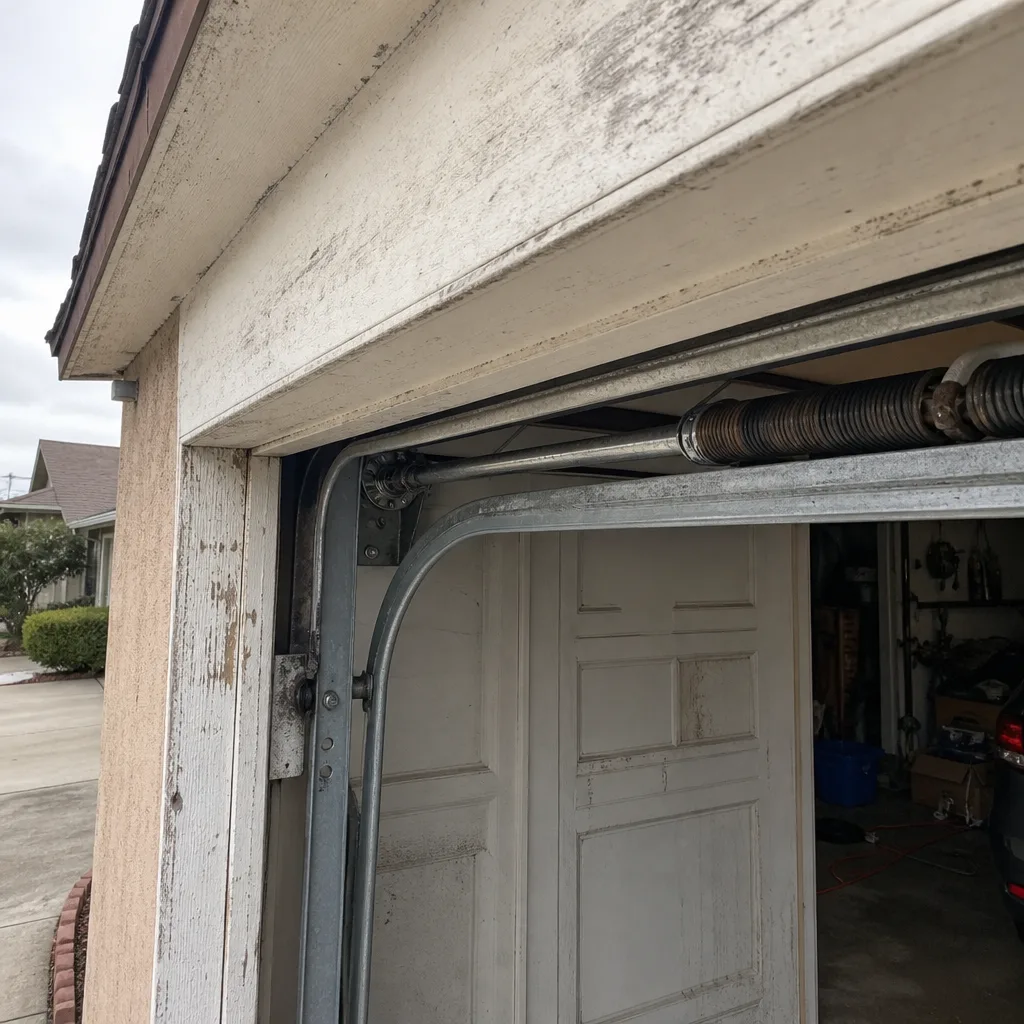 Before
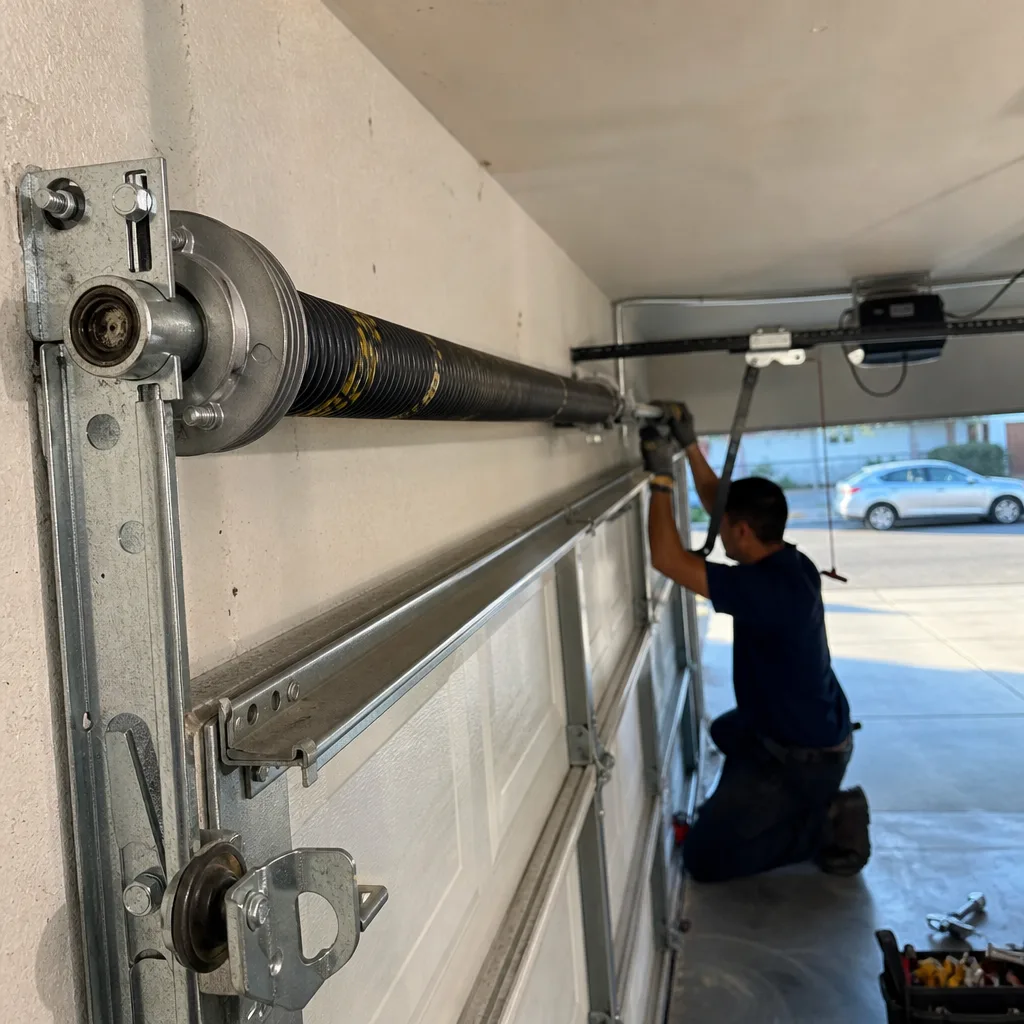 After
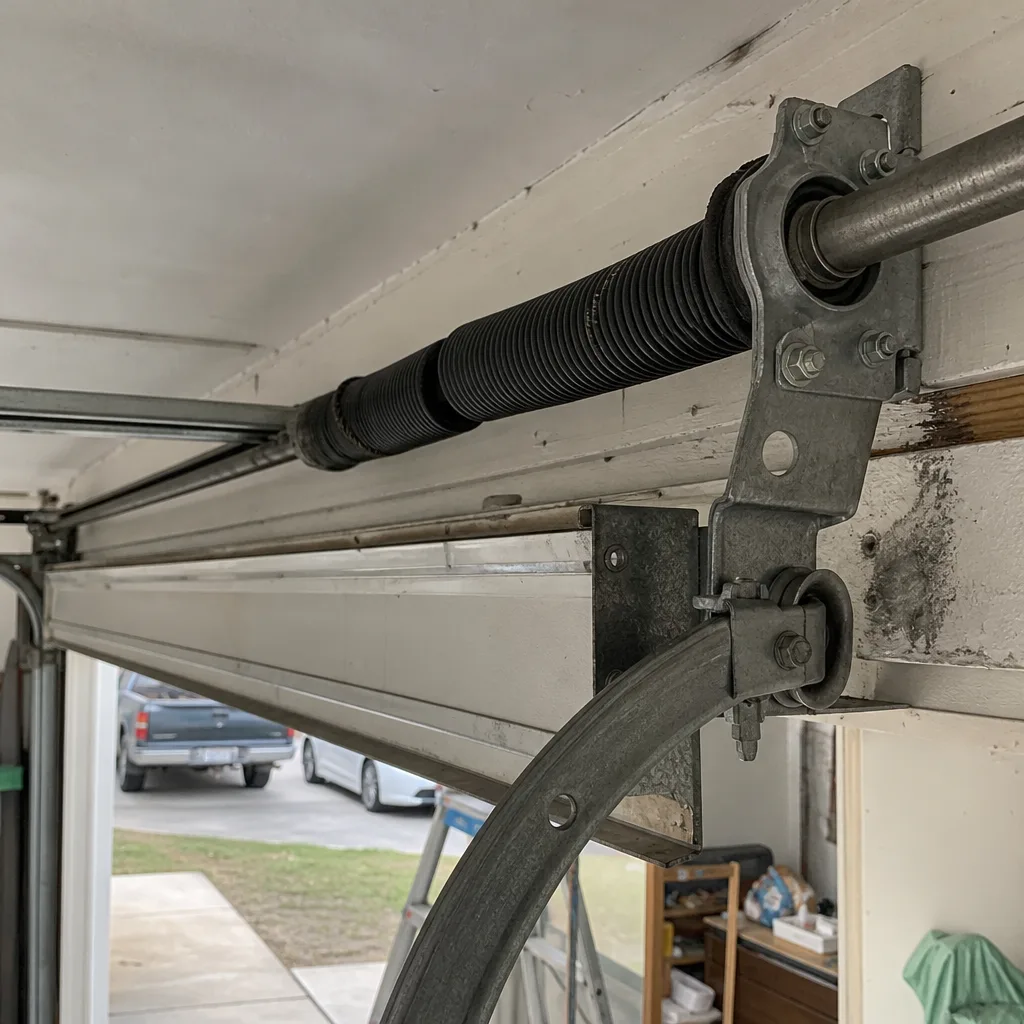 Before
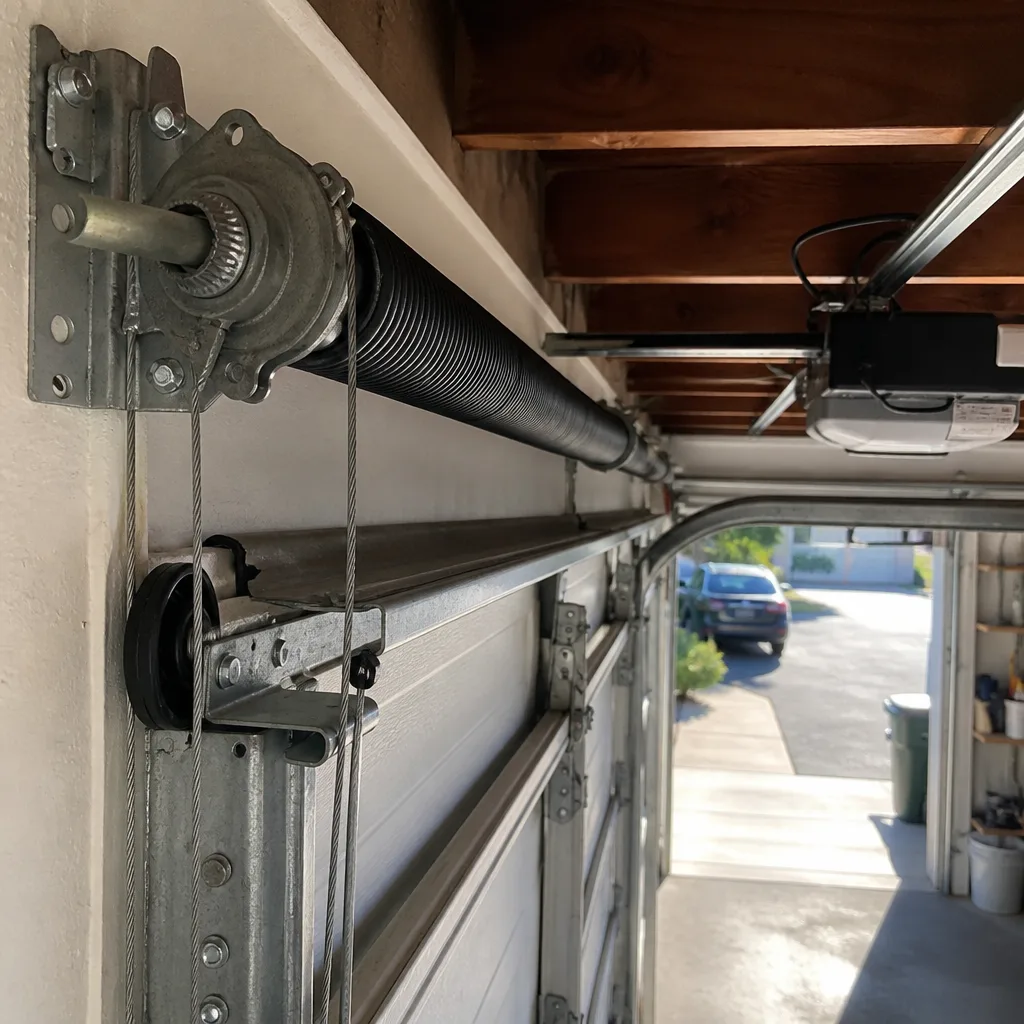 After
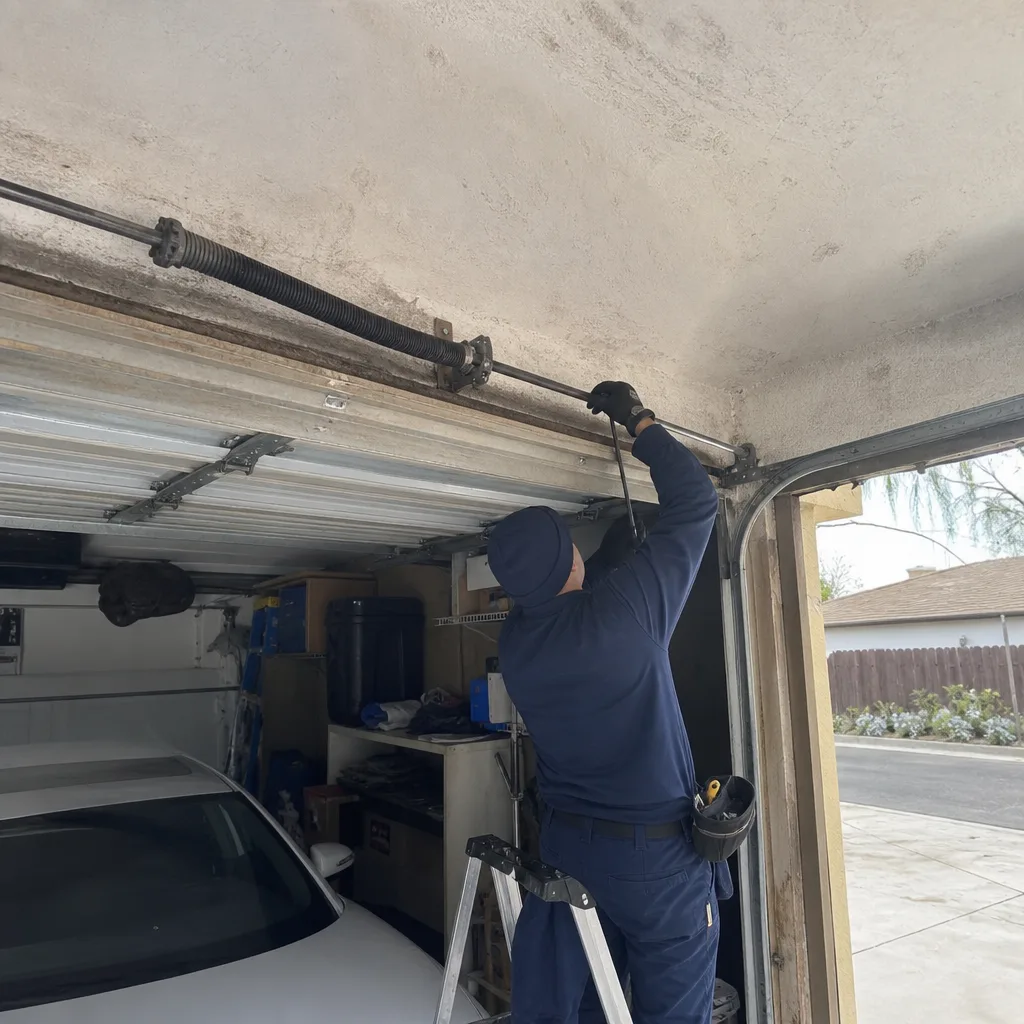 Before
 After