
Last updated October 31, 2026
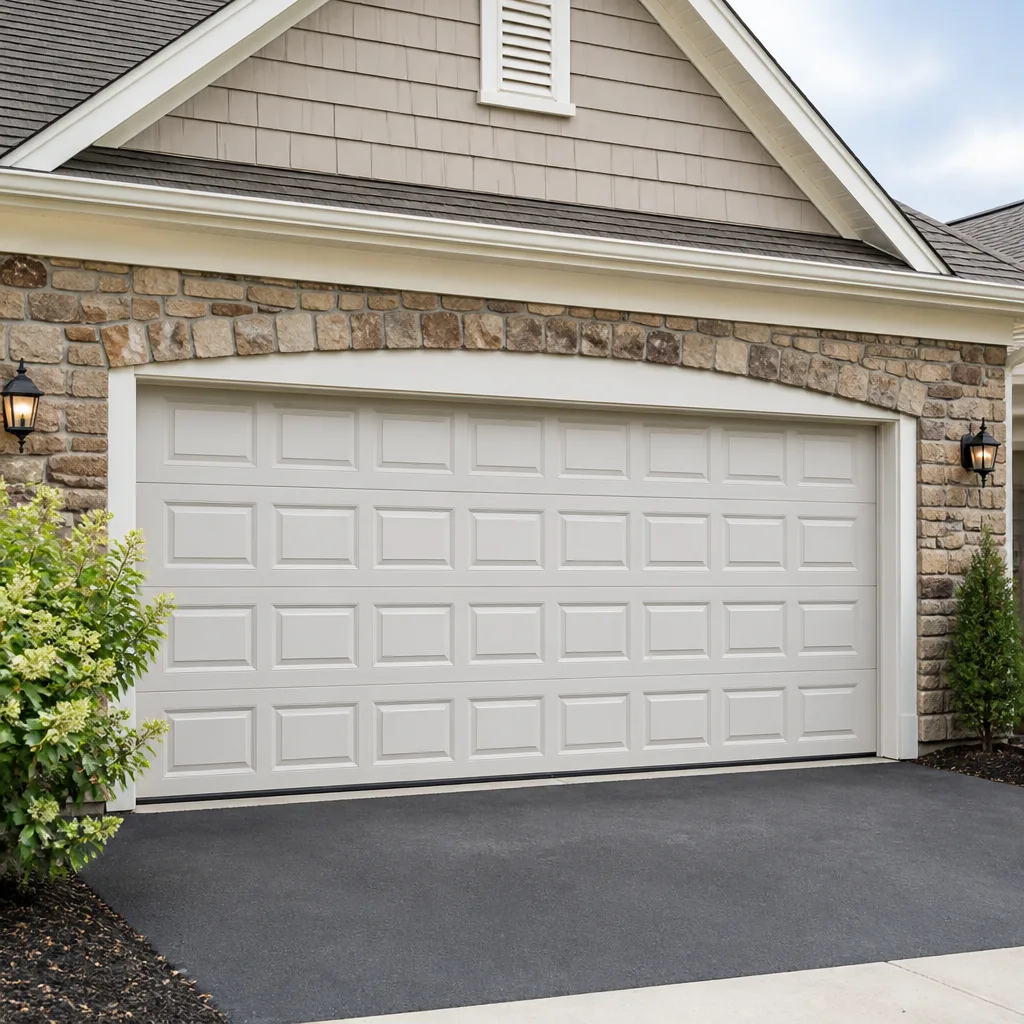 Raised-panel steel
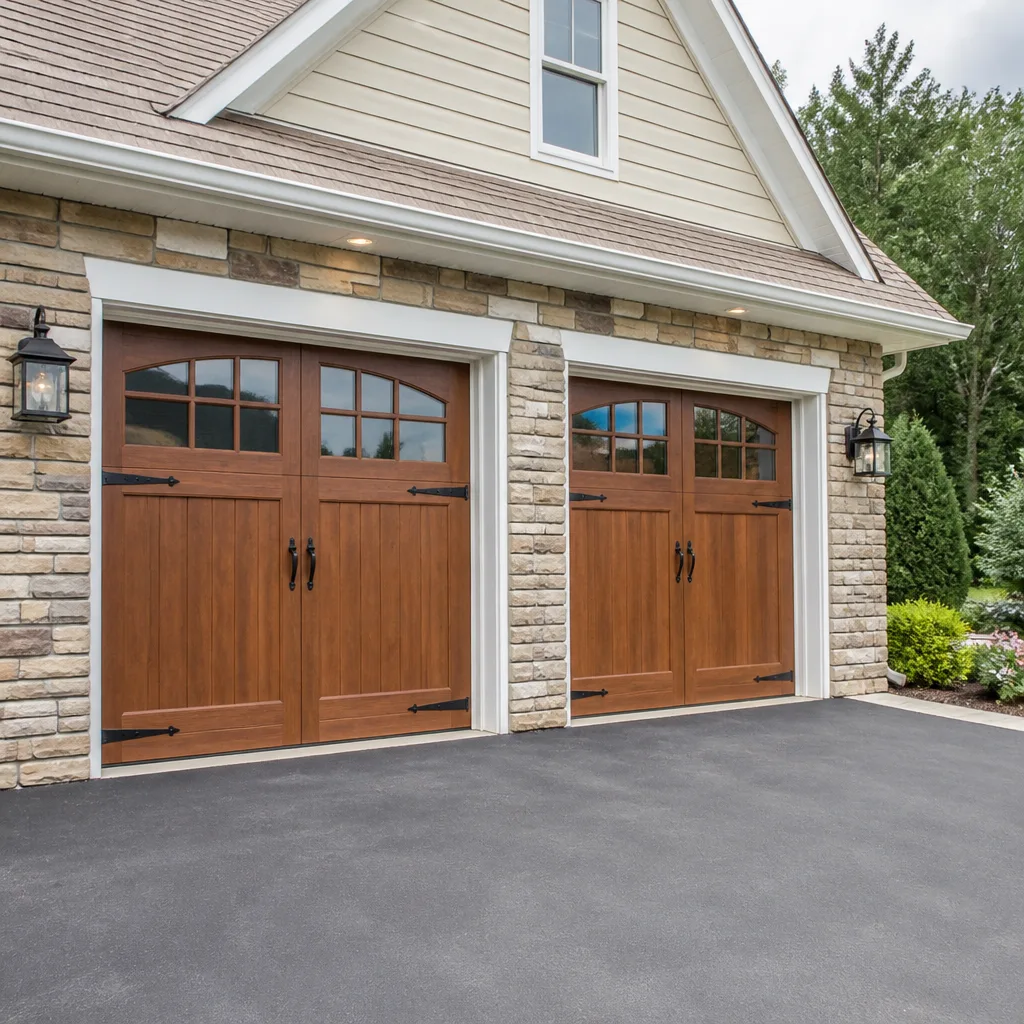 Carriage house
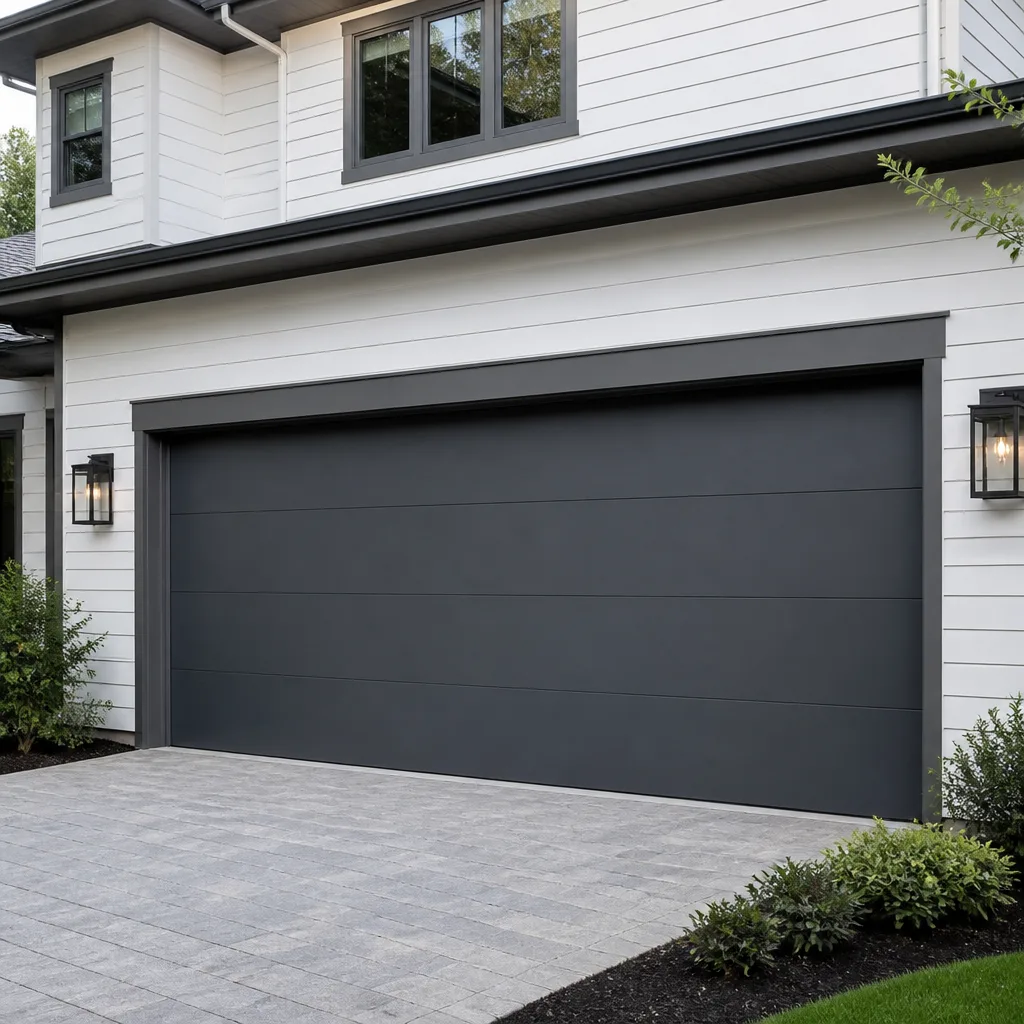 Modern flush
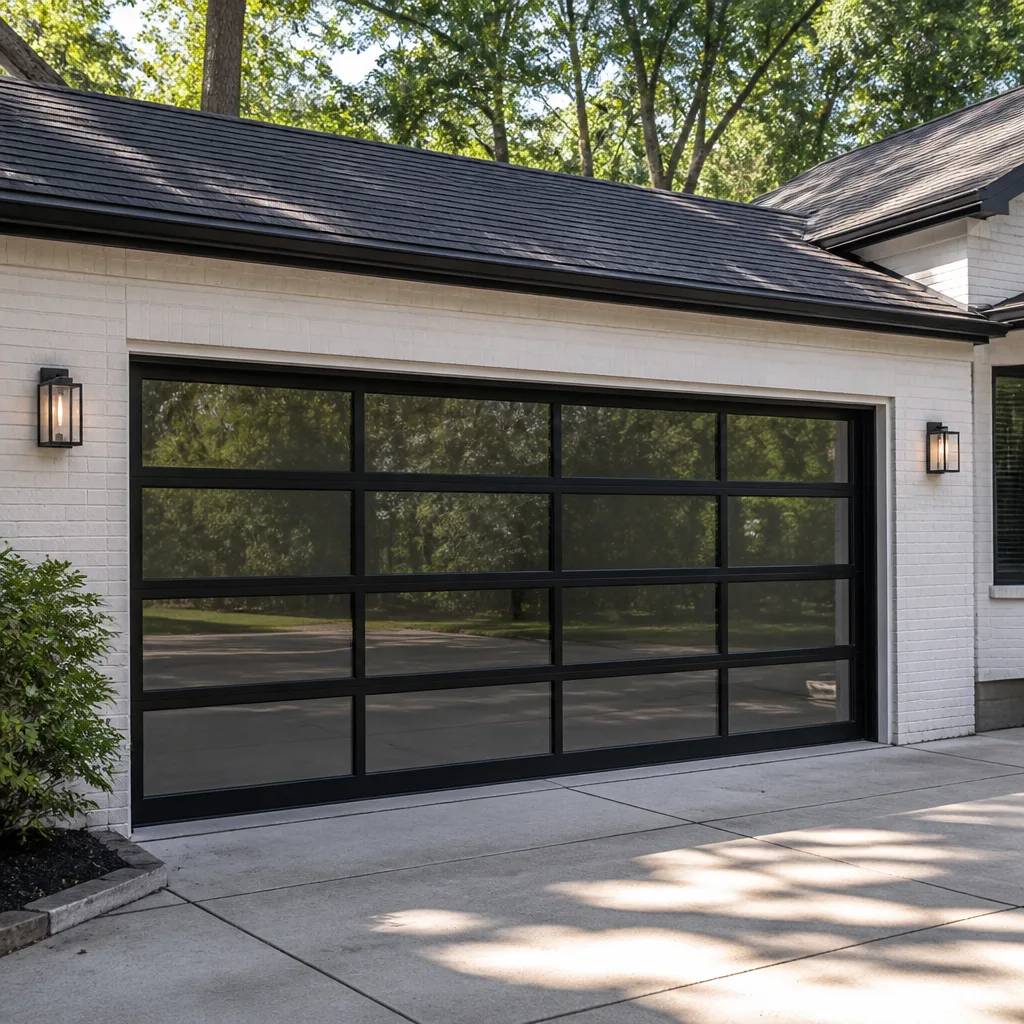 Full-view glass
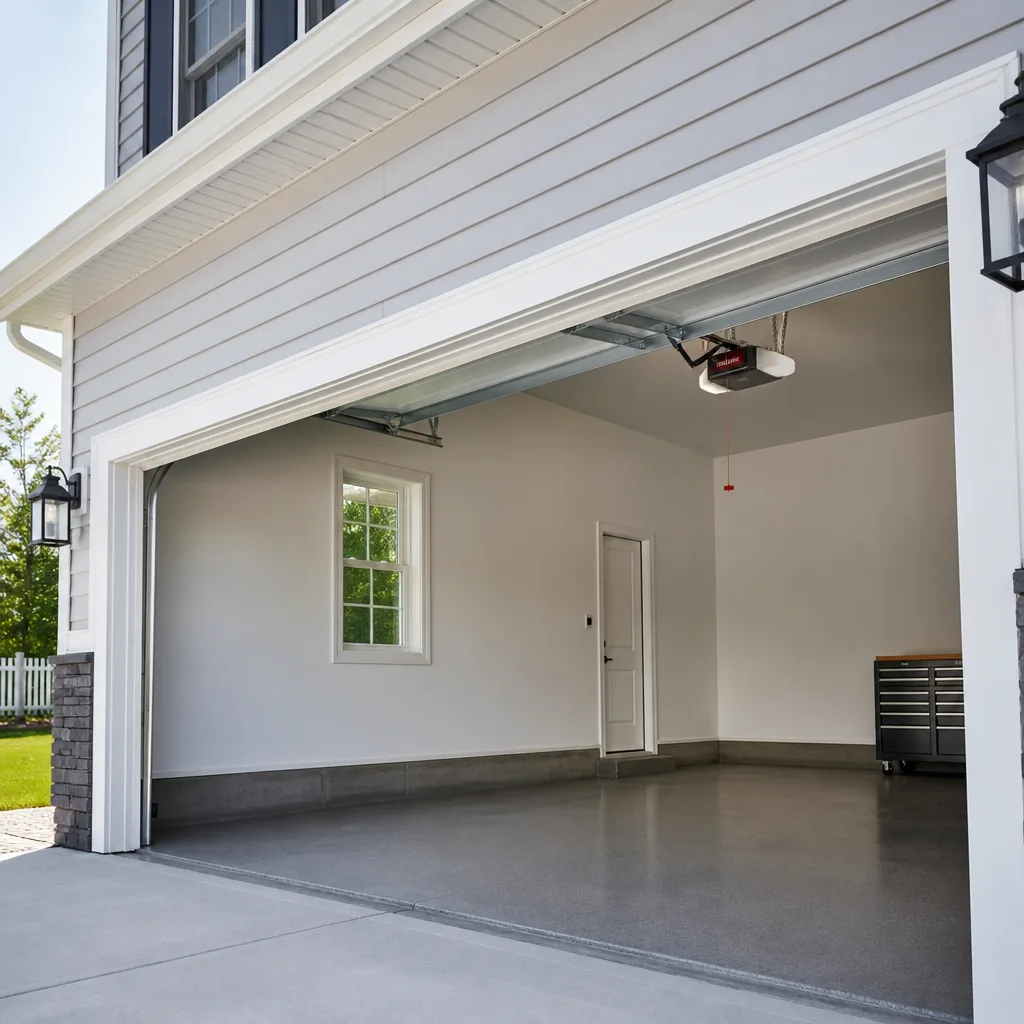 LiftMaster openers
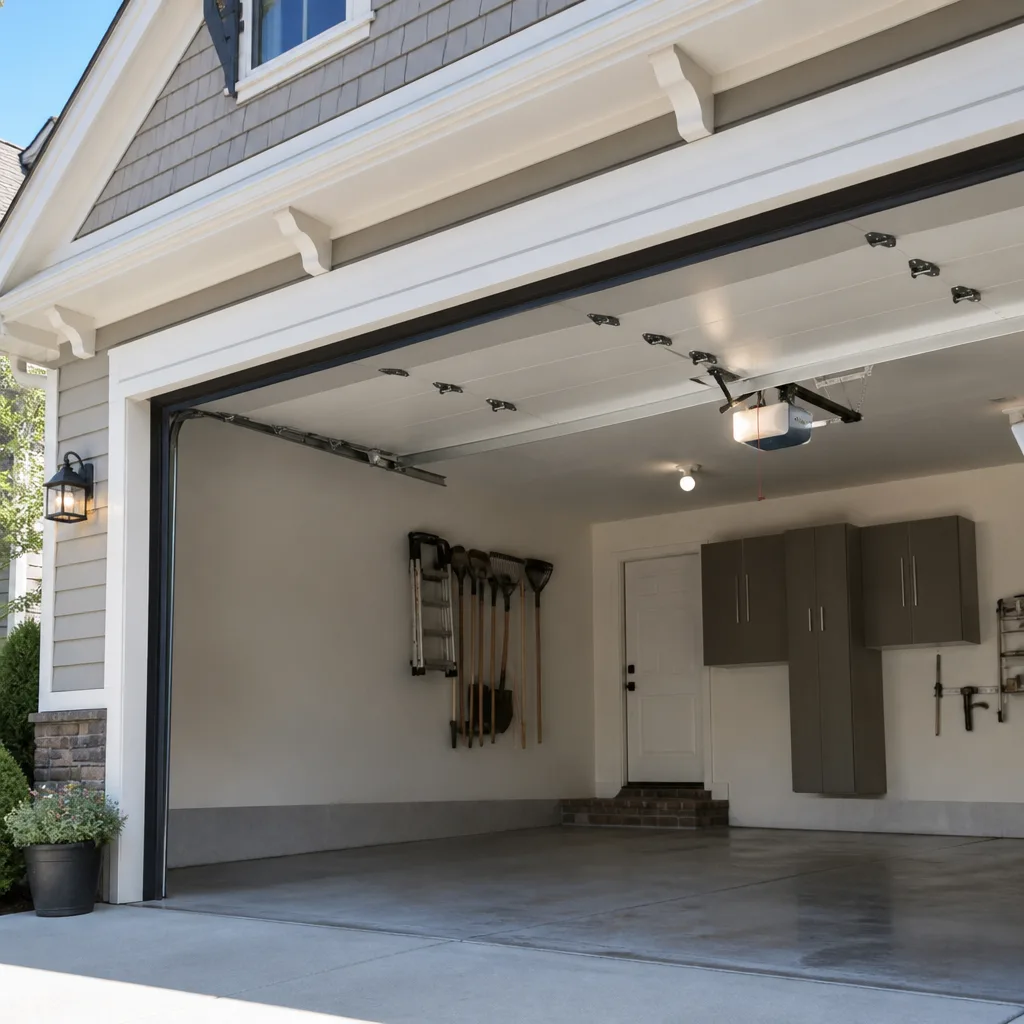 Chamberlain openers
Full 25-point door and opener safety check with every visit - springs, cables, rollers, tracks, and your LiftMaster or Chamberlain opener included
You get a price before we start. It does not change when the truck arrives.
Get your free estimateSeasonal Garage Door Care for Santa Ana: Year-Round Homeowner’s Guide
Santa Ana wind season isn’t just a fire risk. The pressure differentials and grit those winds push through garage door gaps accelerate roller and track wear on a timeline most homeowners never connect to the season. By September, we routinely see doors that worked flawlessly in June suddenly grinding, sticking, or sitting crooked in the opening. This guide maps the real seasonal threat calendar for Santa Ana, not a generic SoCal template, and pairs well with The Complete Guide to Garage Door in Santa Ana. You’ll learn what each climate phase does to your hardware, which maintenance tasks matter at which time of year, and when a fifteen-minute fix now beats a four-hundred-dollar repair later.
Styles & brands we work with
Quick Answer
Seasonal garage door maintenance in Santa Ana means four distinct checkpoints: spring marine-layer moisture control, summer torsion spring tension checks, pre-Santa Ana wind reinforcement in September, and winter hinge and roller lubrication. Most problems follow a predictable schedule tied to Santa Ana’s specific climate cycles, and catching them early takes under an hour per season.
Table of Contents
- The Real Santa Ana Climate Calendar for Garage Doors
- Spring: Marine Layer Moisture and What It Does to Hardware
- Summer: Dry Heat, Torsion Springs, and the August Slump
- Pre-Santa Ana Wind Season Prep: September Checklist
- Post-Wind Event Inspection: What to Check After a Santa Ana Blow
- Winter: The Mild Season That Still Breaks Rollers
- The One Seasonal Task Homeowners Skip That Causes 40% of Off-Track Incidents
- Common Mistakes to Avoid
- When to Call a Professional
- Frequently Asked Questions
- The Bottom Line
The Real Santa Ana Climate Calendar for Garage Doors
Most seasonal maintenance guides treat Southern California as one weather zone. That’s a mistake. Santa Ana sits far enough inland to catch real temperature swings, close enough to the coast to get marine layer intrusion, and directly in the path of the Santa Ana wind corridor that funnels down through the canyons from the high desert. Each of those forces stresses different garage door components on a predictable schedule.
Here’s the calendar we work from when we diagnose seasonal failures across the city:
- March through May (Marine Layer Spring): Morning overcast, afternoon burn-off, humidity spikes overnight. Moisture condenses on cold steel components, accelerating surface rust on hinges, rollers, and track brackets. Doors in Park Santiago and Floral Park with older, unsealed hardware show this first.
- June through August (Dry Summer Heat): Daytime highs regularly push into the 90s. The metal in torsion springs expands slightly, and doors that were perfectly balanced in March start feeling heavy or drifting. We see a pronounced uptick in “my door feels heavy” calls from homeowners in neighborhoods like West Floral Park and Washington Square by late July.
- September through November (Santa Ana Wind Season): Sustained east winds, high gusts, and fine grit carried from the mountains. Pressure against the door face tests track alignment, hinges, and weather seals. Loose hardware gets worse fast. This is when off-track doors and snapped cables spike.
- December through February (Mild Winter): Relatively cool and dry, but diurnal temperature swings of 25+ degrees cause metal contraction cycles. Rollers with worn bearings get louder, and lubricant thickens. It’s also the season when homeowners finally notice problems they ignored all year because the door gets used more with shorter daylight hours.
None of these seasons are brutal in the way a Minneapolis winter or a Phoenix summer is brutal. That’s exactly why the damage happens: it’s incremental, cumulative, and easy to dismiss until a spring snaps on a Saturday morning.
Spring: Marine Layer Moisture and What It Does to Hardware
Spring in Santa Ana means gray mornings that burn off by noon. That daily moisture cycle is the quiet enemy of unsealed garage door hardware. When overnight humidity condenses on steel hinges, roller stems, and track brackets, it leaves a micro-layer of water that initiates oxidation. Over the course of a single spring season, you’ll see surface rust form on exposed steel, especially on doors that face west or sit under trees where moisture lingers longer.
What we’ve found in our service area: doors in neighborhoods closer to the Santa Ana River channel, where morning fog sits heavier, tend to show hardware corrosion earlier than doors up toward the hills. It’s a real, observable pattern.
Here’s the spring maintenance sequence we recommend:
- Wipe down both vertical tracks with a dry microfiber cloth to remove moisture film and accumulated dust.
- Inspect all hinges for surface rust. Light rust can be cleaned with a wire brush and treated. Pitted or flaking hinges need replacement.
- Check roller stems for rust. Nylon rollers with sealed bearings resist this best; older steel rollers are the first to seize.
- Verify the bottom weather seal is still pliable. Marine layer moisture accelerates rubber degradation, and a cracked seal is an entry point for everything from moisture to rodents.
- Test the auto-reverse safety sensors. Moisture inside sensor housings causes intermittent faults, especially on older LiftMaster and Chamberlain openers installed without sealed conduit connections.
Spring is also the right time to handle garage door repair in Santa Ana for issues that accumulated over winter. Hinges, rollers, and seals are all wear items, and addressing them before summer heat arrives means you won’t be dealing with a compound failure in August.
Summer: Dry Heat, Torsion Springs, and the August Slump
Santa Ana summers are dry, but heat does something specific to torsion spring systems. As ambient temperature climbs, the metal in the spring expands slightly, reducing its effective tension. A door that was perfectly balanced in March, when a torsion spring was calibrated for that temperature, can feel noticeably heavier by August. The spring hasn’t necessarily failed. It’s just operating at a different point on its thermal curve.
That said, heat also accelerates fatigue in springs already near the end of their cycle life. Most residential torsion springs are rated for a finite number of open-close cycles, typically in the 10,000 to 15,000 range. Heat doesn’t reduce that number directly, but a spring that’s at 90% of its rated life will absolutely fail sooner under summer’s added thermal stress. That’s why we see a sharp increase in snapped spring calls from mid-July through September across Santa Ana, from Riverview West to the neighborhoods around Centennial Park.
What to do when your door feels heavy in August:
- Disconnect the opener using the emergency release cord and try to lift the door manually. A properly balanced door should stay in place when lifted halfway and released. If it drops, the springs have lost tension.
- Listen for a change in sound. Springs that are losing tension often produce a subtle creaking or popping from the shaft above the door when operating.
- Check the gap between the spring coils. If coils are no longer evenly spaced, the spring is either fatigued or improperly adjusted.
Do not attempt to adjust torsion springs yourself. The tension in a residential torsion spring is high enough to cause serious injury if the winding bars slip. That’s not a homeowner task. If your door is heavy, sagging, or uneven in summer, consult The Complete Garage Door Repair Guide for Santa Ana Homeowners or contact a professional who works on the spring system you already have. If your unit is a Raynor or Craftsman, that means someone who has actually serviced those specific models, not someone learning on your dime.
Summer is also when we commonly address garage door opener repair in Santa Ana. Heat inside the garage can push a marginal opener’s logic board past its thermal limits, especially on units mounted in uninsulated garages where interior temperatures exceed 110 degrees on peak days.
Pre-Santa Ana Wind Season Prep: September Checklist
Santa Ana wind season officially arrives in September and runs through November, with peak intensity usually hitting in October. These aren’t coastal breezes. Sustained winds of 30 to 40 mph with gusts over 60 mph hit the garage door face directly, and when the wind direction aligns with your door’s facing, the door becomes a sail.
The risk profile changes in three ways during wind season:
- Lateral pressure on the door face tests the track system. A door that’s slightly out of alignment in calm conditions can bind completely when wind loads push the panels sideways.
- Grit infiltration from airborne dust works its way into roller bearings and track channels, accelerating wear and creating the grinding sound homeowners start hearing in October.
- Pressure differentials between inside and outside cause the door to flex. Flexing stresses hinges and panel joints, and a door that flexes repeatedly is a door that eventually pops a roller out of the track.
Here’s the pre-wind-season checklist we recommend for every Santa Ana homeowner, regardless of door brand:
- Inspect all track brackets and mounting bolts for looseness. Wind vibration will find every loose bolt on the system within the first serious wind event.
- Verify the door sits level in the opening. A quarter-inch out of level at the header translates to significant binding under wind load.
- Check the bottom weather seal for gaps. Grit intrusion during wind season starts at the bottom edge of the door.
- Lubricate rollers, hinges, and springs with a silicone-based lubricant. This won’t stop grit from sticking, but it keeps moving parts moving until you can do a post-wind cleaning.
- Test the auto-reverse and safety sensor alignment. Wind-driven debris near the sensors can cause erratic operation, and you don’t want a door that reverses unexpectedly during a wind event.
- If you have an older Chamberlain or LiftMaster opener with a chain drive, check chain tension. Wind season vibration accelerates chain stretch on units already at the edge of adjustment.
A September prep pass takes under an hour and costs whatever a can of silicone lube costs. The alternative is discovering the door is misaligned at 11 p.m. during the first big Santa Ana blow, when the door is rattling and you’re wondering if it’s going to hold.
Post-Wind Event Inspection: What to Check After a Santa Ana Blow
After a significant Santa Ana wind event, most Santa Ana homeowners check their roof and their backyard furniture and call it done. We understand. But garage doors take more direct wind loading than almost any other exterior surface besides the roof, and post-event inspection catches problems before they compound.
Here’s the sequence we walk through on post-wind service calls, and you can do the visual checks yourself in about fifteen minutes:
- Stand back and look at the door in the closed position. Is it sitting flush against both jambs, or is there a visible gap on one side? A door that’s shifted laterally means track brackets or hinges took damage.
- Open the door halfway and release it using the emergency cord. Does it hold position, or does it creep down? Wind events can knock a door out of balance if springs absorbed unusual loads.
- Inspect the rollers in the vertical tracks. Look for rollers that have popped partially out of the track or are sitting at an angle. This is a precursor to a complete derailment.
- Run your hand along the bottom seal and check for embedded grit. Wind-driven sand gets trapped in the rubber and grinds against the concrete threshold every time the door opens.
- Listen to the opener during a full cycle. New grinding sounds after a wind event usually mean grit in the track or a roller bearing that’s been compromised.
- Check the top panel for signs of flex damage, especially on wood or older steel doors. Wind pressure against the top section is highest right at the header.
If you find anything in steps 1 through 3, don’t keep operating the door. A door that’s out of alignment under load is a door that can drop a roller and jam mid-cycle, and a jammed door under spring tension is not something you want to be standing under. This is the point where a call to a professional beats a weekend of frustration and a potential injury.
Winter: The Mild Season That Still Breaks Rollers
Santa Ana winters are genuinely mild by any national standard. But the diurnal temperature swing, often 25 degrees or more between afternoon and overnight, creates expansion and contraction cycles in every metal component on the door. Rollers with worn bearings get louder because the bearings have play that tightens and loosens with temperature. Hinges develop squeaks that weren’t there in September. And because sunset comes early, most homeowners open and close the door more often during the week, which means more cumulative cycles on parts already tired from wind season.
Winter is our busiest season for roller replacement, and most of those calls start with the same sentence: “It’s been getting louder for a while, but now it sounds bad.” Rollers don’t fail suddenly in most cases. They degrade progressively, and winter temperature swings make the degradation audible.
Winter maintenance priorities:
- Lubricate all rollers, hinges, and the torsion spring. Do this on a day when the garage is above 60 degrees so the lubricant flows properly.
- Check for worn roller bearings by lifting the door manually and wiggling each roller. Movement in the bearing means replacement is due. Nylon rollers with sealed bearings don’t need lubrication and generally last longer than steel alternatives.
- Inspect weather stripping on all three sides of the door. Winter is when rodents look for warm entry points, and a deteriorated side seal is an open invitation, especially in older neighborhoods with mature landscaping near the garage.
- Run a full opener cycle with the door disconnected from the opener to isolate noise sources. If the door is quiet but the opener is noisy, you’ve narrowed the problem to the drive system.
If your door needs garage door installation in Santa Ana, winter is a practical time to plan the project. Demand is lower than spring and fall, manufacturers run seasonal promotions, and you’ll have the new door in place before wind season returns in September.
The One Seasonal Task Homeowners Skip That Causes 40% of Off-Track Incidents
In our experience, the single most common cause of off-track doors in Santa Ana is neither wind nor heat. It’s a blocked bottom seal debris channel. The T-shaped groove on the underside of the door, where the rubber weather seal slides in, collects dirt, sand, and small debris over time. When that channel fills up, the seal can’t compress properly, which changes how the door sits on the threshold. That changes the door’s angle of travel through the tracks. That change in angle is what eventually pops a roller.
The sequence is slow and silent. It might take a full year from the first granules of sand lodging in the channel to the moment the door jumps the track. That’s why homeowners rarely connect the two events.
Here’s the fix, and it takes five minutes:
- Close the door fully and pull the emergency release cord to disconnect it from the opener.
- Lift the door manually just enough to access the bottom edge from inside.
- Run a flat-head screwdriver or a purpose-made seal tool along the bottom channel, working from one end to the other, to dislodge packed debris.
- Once the channel is clear, pull the existing seal out partially and inspect it for cracks or stiffness. If it’s compromised, replacement seal material is inexpensive and available in standard widths.
- Reinsert the seal, reconnect the opener, and run a full cycle to confirm the door seats evenly on the threshold with no light showing along the bottom.
Do this every quarter. Make it part of whatever seasonal routine you already follow, whether that’s changing smoke detector batteries or cleaning rain gutters. Five minutes, four times a year, and you remove the most common mechanical cause of off-track incidents we see across Santa Ana.
You can always start with the Santa Ana Garage Door Service home resource library if you want more maintenance guidance specific to your door model.
Common Mistakes to Avoid
- Using WD-40 to lubricate garage door parts. WD-40 is a solvent and water displacer, not a durable lubricant. It cleans grit off a hinge and then evaporates, leaving the metal drier than before. Use a silicone-based lubricant or white lithium grease for door components.
- Adjusting torsion spring tension yourself. The stored energy in a residential torsion spring is capable of breaking bones or worse if the winding bars release. This is not a YouTube tutorial situation. We work on torsion springs from every major manufacturer, including Raynor and Craftsman systems, and the risk is the same across the board.
- Ignoring a door that’s slightly crooked because it still opens. A door that’s a half-inch out of level is telling you something. Every cycle, the rollers are wearing unevenly against the track, and the problem is compounding. By the time the door stops opening, the repair is significantly more expensive than it would have been a month earlier.
- Skipping post-wind inspections because nothing looks broken. Wind damage to garage doors is often invisible to a quick glance. Misaligned tracks, loosened brackets, and grit-contaminated rollers all look fine from ten feet away. The fifteen-minute checklist above catches what a glance misses.
- Running the opener with the door manually locked. The slide lock on the inside of the door is there for security, but if someone forgets to unlock it and the opener engages, the results are predictable: bent brackets, stripped gears, or a snapped opener chain. Check the lock whenever the door won’t open with the opener.
- Replacing one panel on a door with mismatched color or era. Panel fade is real, and a brand-new panel on a five-year-old door will visibly stand out under Santa Ana’s bright sun. If the door is more than a few years old, a full door replacement is often the more aesthetically consistent choice. We quote both options so you can make an informed call.
- Assuming all garage door companies service all brands. Many single-brand dealers will tell you your existing door is obsolete or not worth repairing because they only carry one manufacturer’s parts. We service Clopay, Amarr, Wayne Dalton, Raynor, LiftMaster, Chamberlain, Genie, and Craftsman, so the diagnosis is based on what’s actually wrong, not on what we’d prefer you to buy.
When to Call a Professional
Some seasonal maintenance is a homeowner task. Lubrication, seal cleaning, visual inspections, and weather stripping replacement all fall in that category. But certain situations call for professional attention, and knowing the difference saves you time, money, and risk. Call a specialist if your door is visibly uneven in the opening, if it drops when released from the opener mid-cycle, if you see visible wear or gaps in the torsion spring coils, if the door has come off the track entirely, or if the opener logic board is showing signs of intermittent function. These are not DIY situations. Torsion springs, cables under tension, and a 150-pound door panel are all hazards when things go wrong. Santa Ana Garage Door Service offers free estimates in Santa Ana, call (855) 341-7810, and our technicians diagnose the actual problem before recommending any repair.
Frequently Asked Questions
Lubricate rollers, hinges, and springs every three to four months in Santa Ana, with an extra application before and after wind season. The dry summer heat evaporates lubricant faster than coastal climates, and wind-season grit makes fresh lubrication essential for keeping moving parts from grinding.
Yes. Sustained east winds of 30 to 40 mph with gusts over 60 mph place lateral loads on the door face that test track alignment, hinge integrity, and seal performance, and the airborne grit those winds carry accelerates roller and track wear dramatically. It’s a genuine mechanical stressor for this specific area, not a cosmetic nuisance.
Summer heat causes the metal in torsion springs to expand, which reduces effective tension, so a door that was balanced in cooler spring weather can feel heavier by August even if the spring is still within its service life. If the door drops when released mid-cycle, the spring tension needs professional adjustment or replacement.
DIY seasonal maintenance costs about $15 to $25 for a can of silicone lubricant and basic supplies, while professional tune-ups and inspections in Santa Ana typically run in the $89 to $149 range depending on what’s included. Repairs that result from skipped maintenance, like roller replacement or spring adjustment, start around $150 and go up from there. Call (855) 341-7810 for a free estimate.
Yes, bottom weather seal replacement is a straightforward homeowner task in most cases. Purchase the correct seal profile for your door (T-style or bead-style), slide the old one out of the bottom channel, and feed the new one in from one end. The job takes about twenty minutes and requires no special tools.
We service all eight of the industry’s most common residential brands: LiftMaster, Chamberlain, Genie, Clopay, Amarr, Wayne Dalton, Craftsman, and Raynor, covering both door structure and opener drive systems. Whatever brand is on your door, we already know it.
The Bottom Line
Santa Ana’s climate doesn’t punish garage doors the way extreme climates do, but it applies consistent, predictable stress through marine-layer moisture, summer heat, Santa Ana winds, and winter temperature swings. Each season targets different components on a schedule you can plan around, and the preventative maintenance for each season is simple and inexpensive. The failures happen when maintenance compounds: skipped lubrication, ignored imbalance, a blocked seal channel, and a wind event that finds every weak point at once. Stay ahead of the calendar, do the five-minute checks, and your door will outlast the weather. For year-round help, see our more guides & resources.
Written by the team at Santa Ana Garage Door Service, serving Santa Ana since 2011.
See the difference
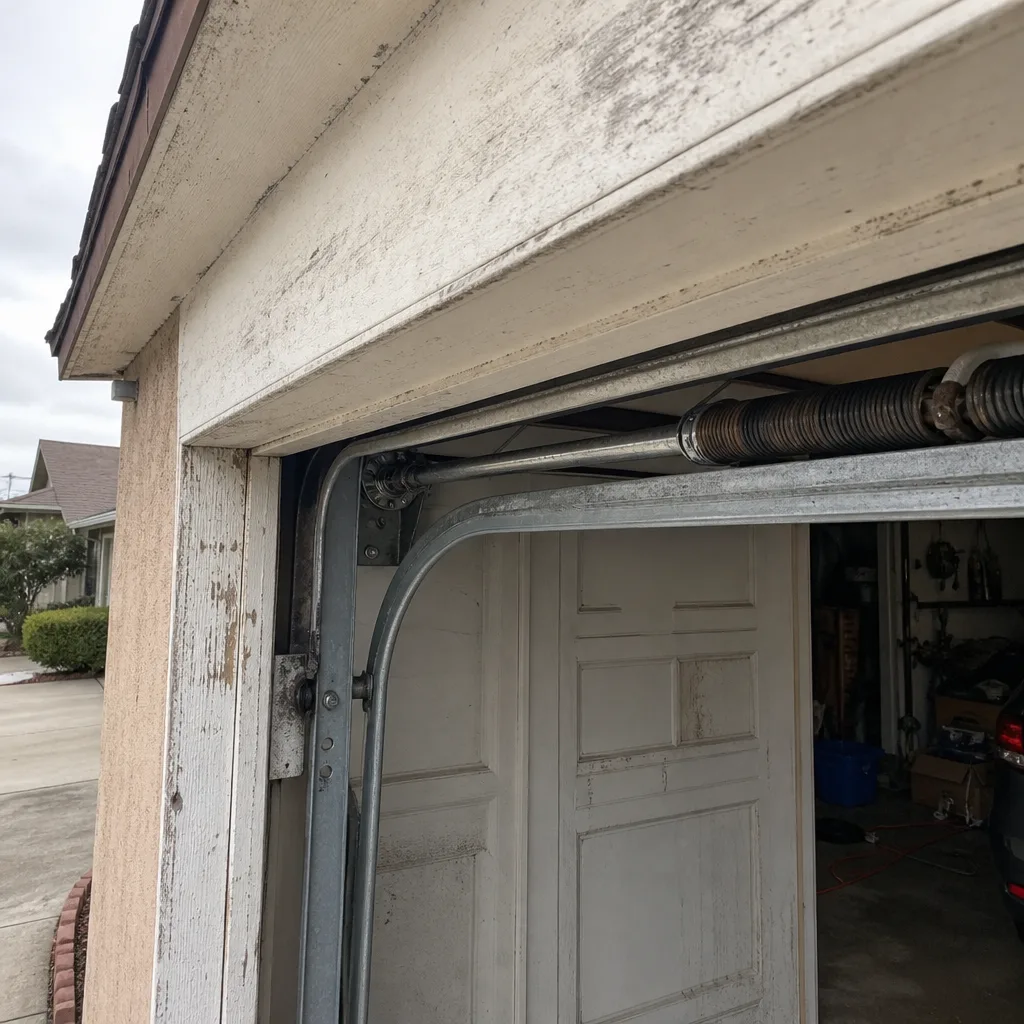 Before
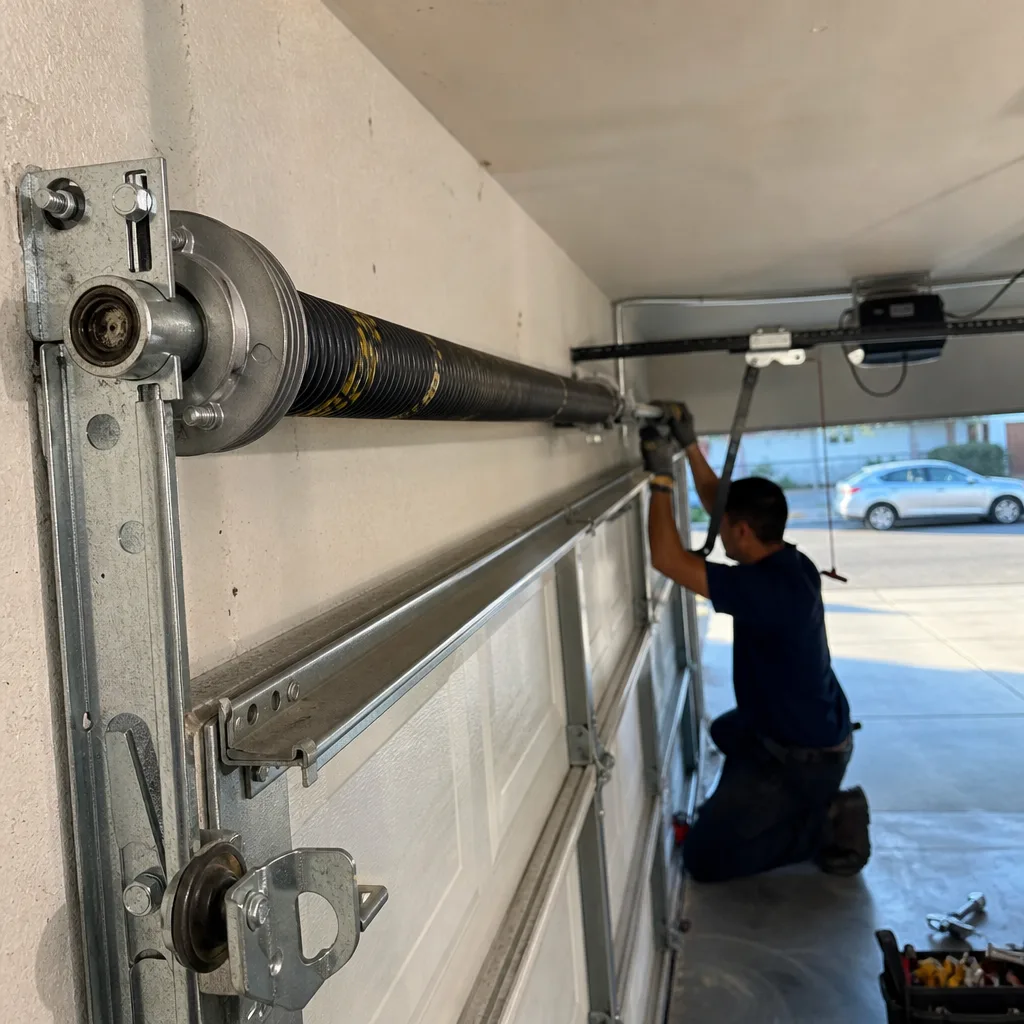 After
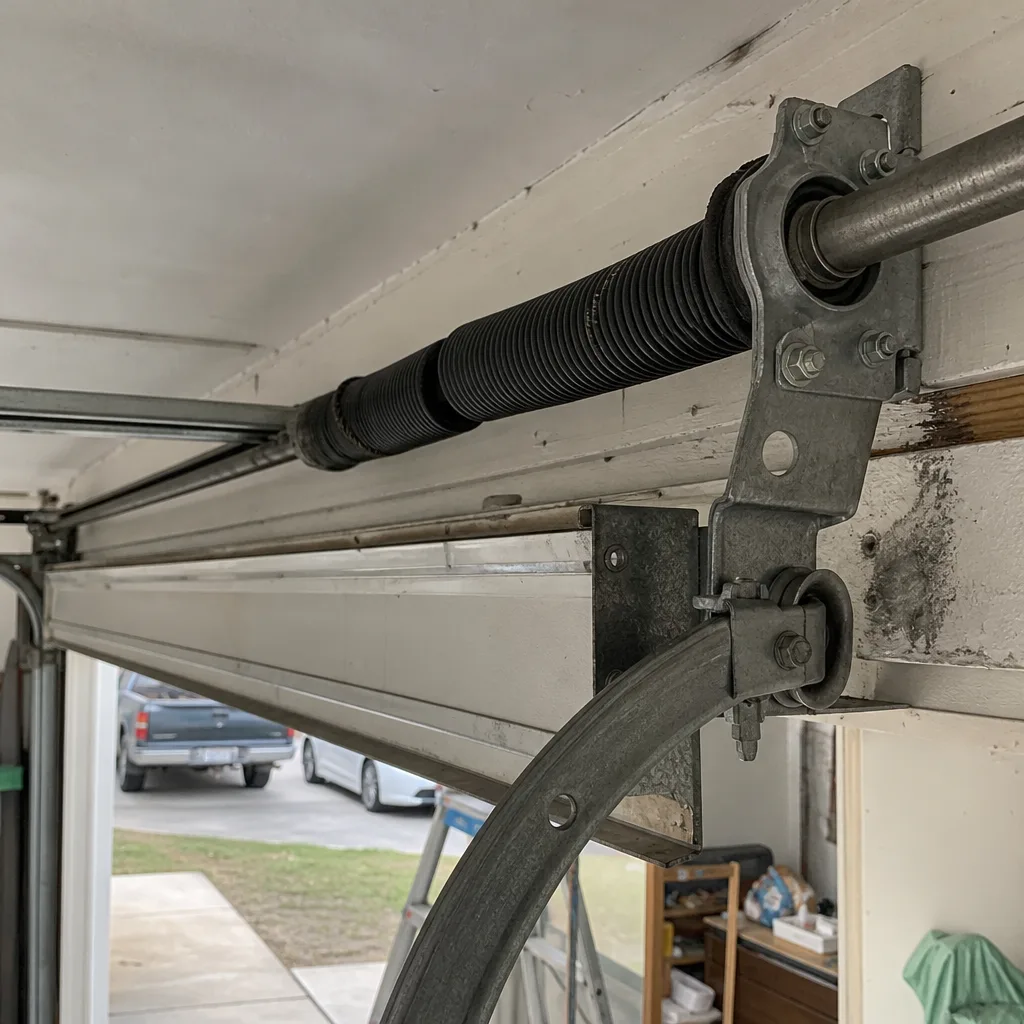 Before
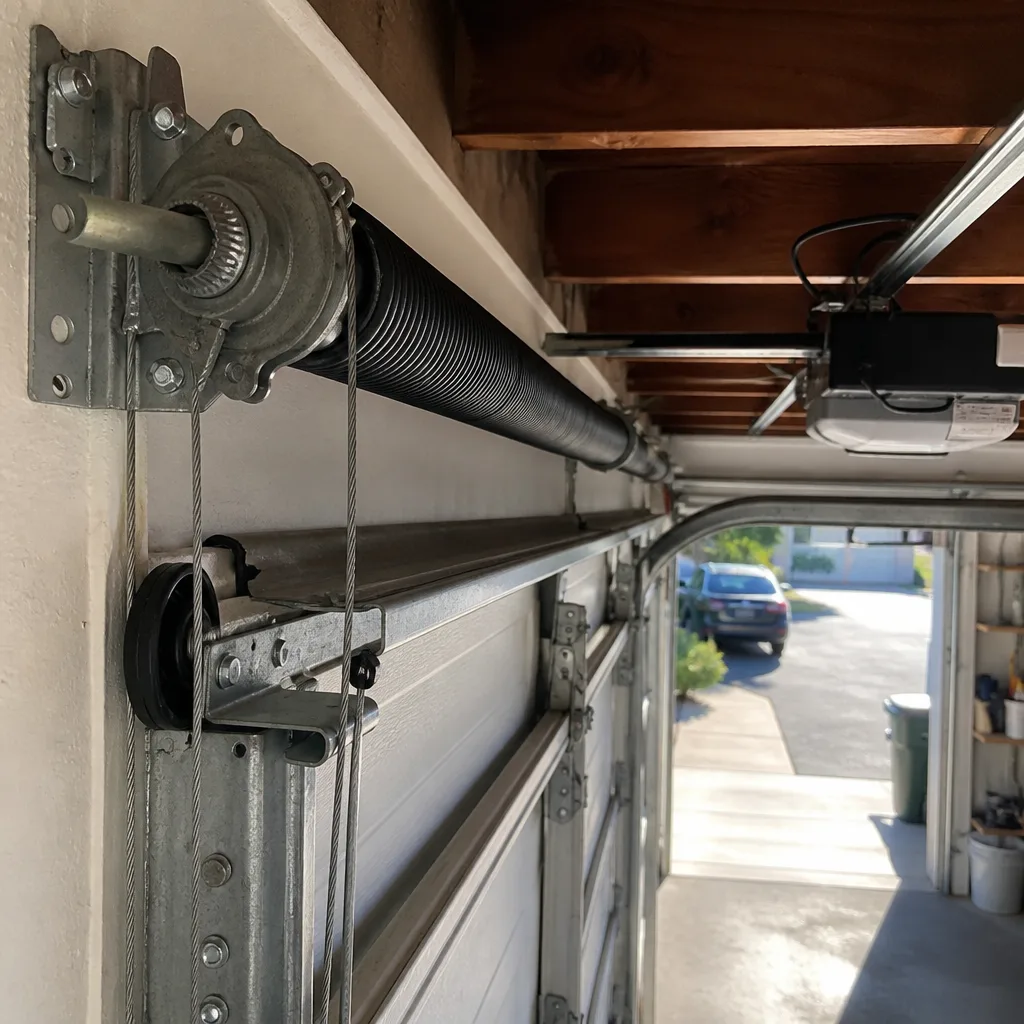 After
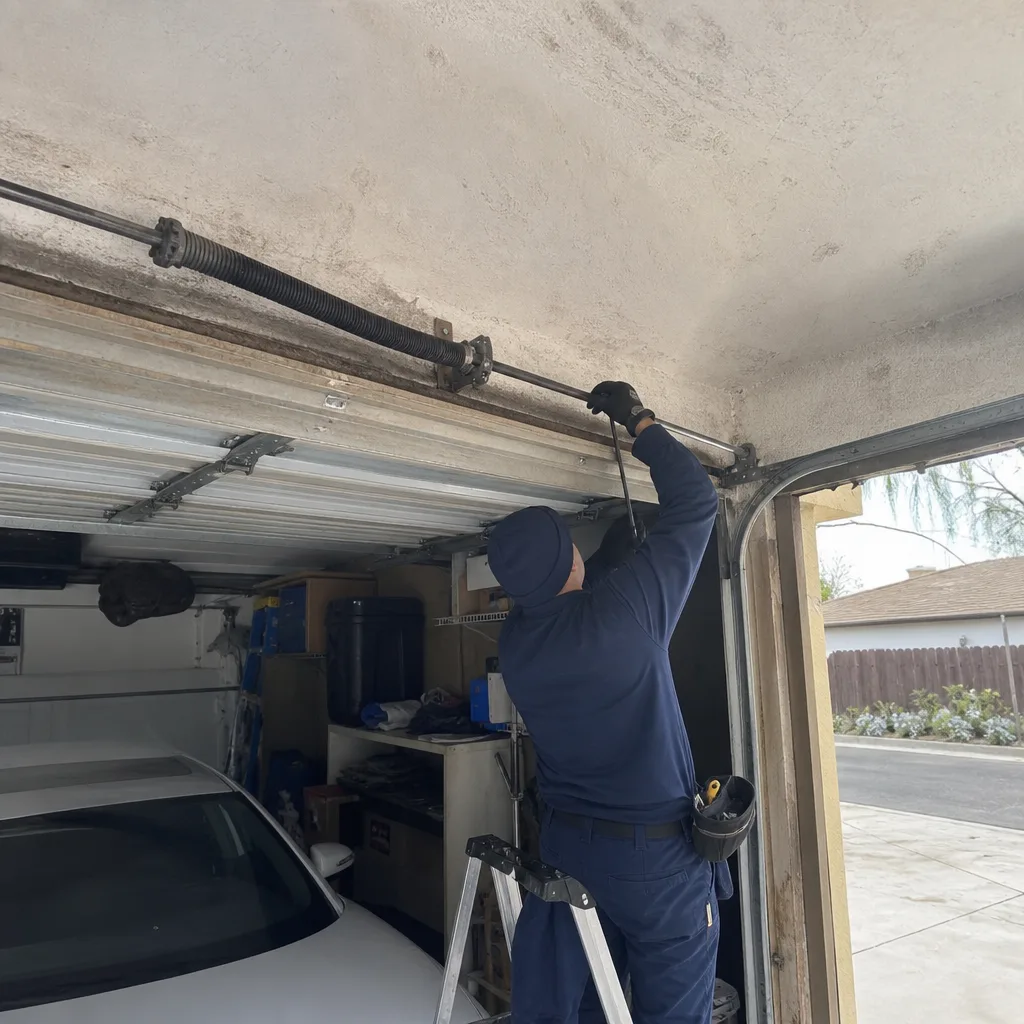 Before
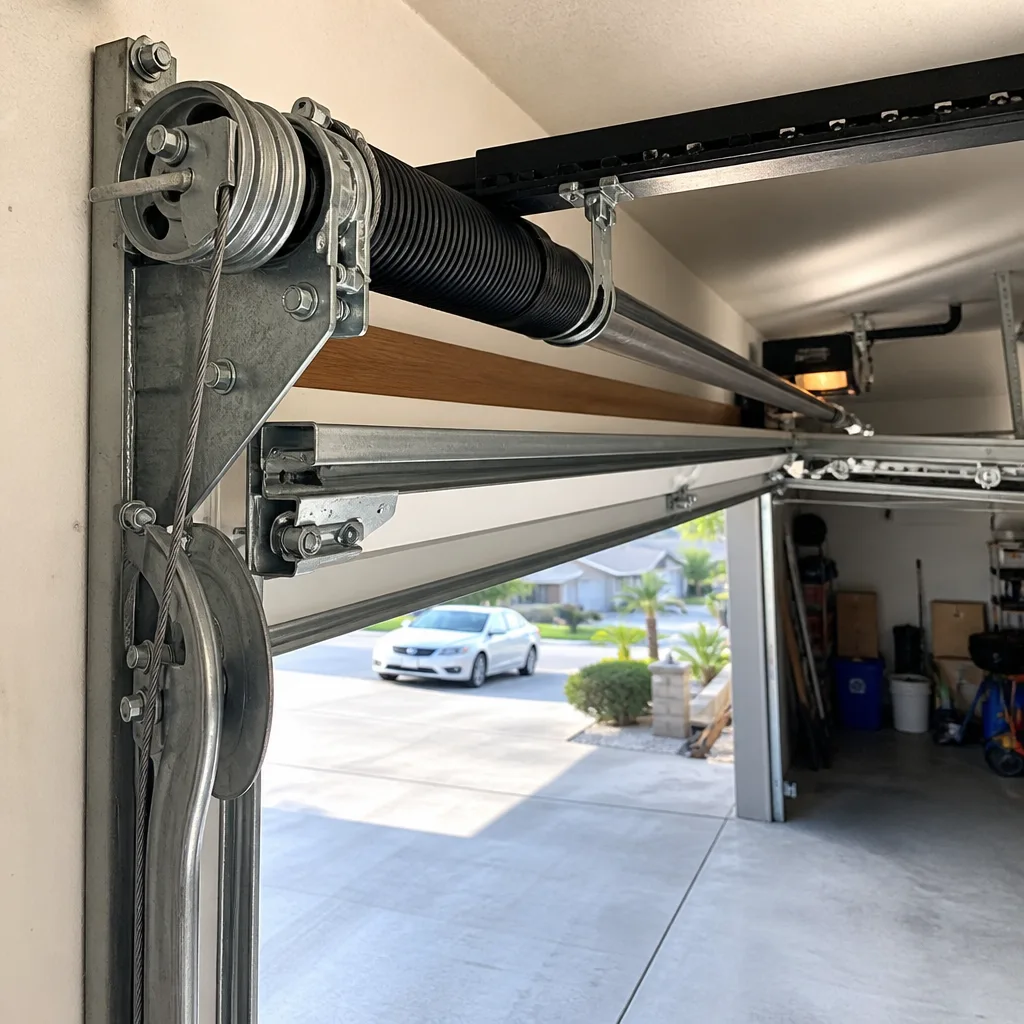 After