
Last updated October 31, 2026
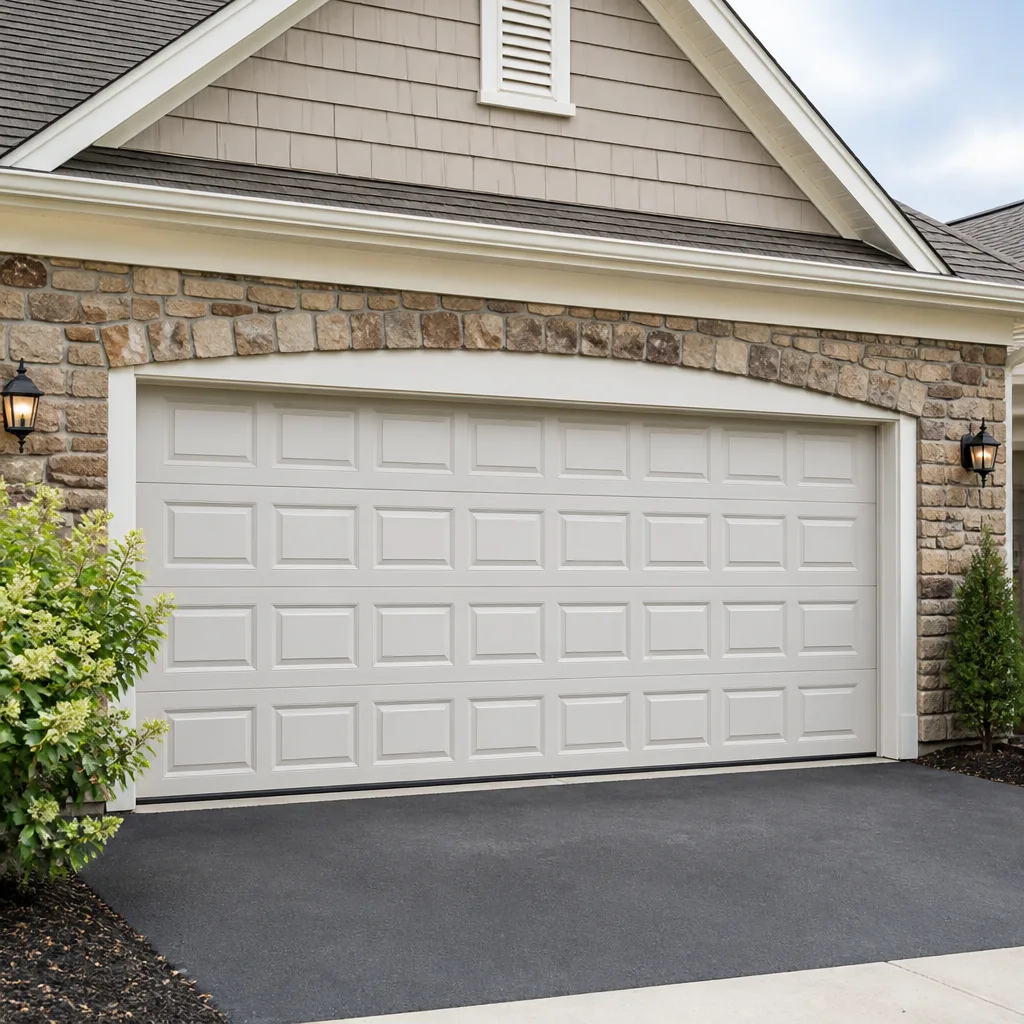 Raised-panel steel
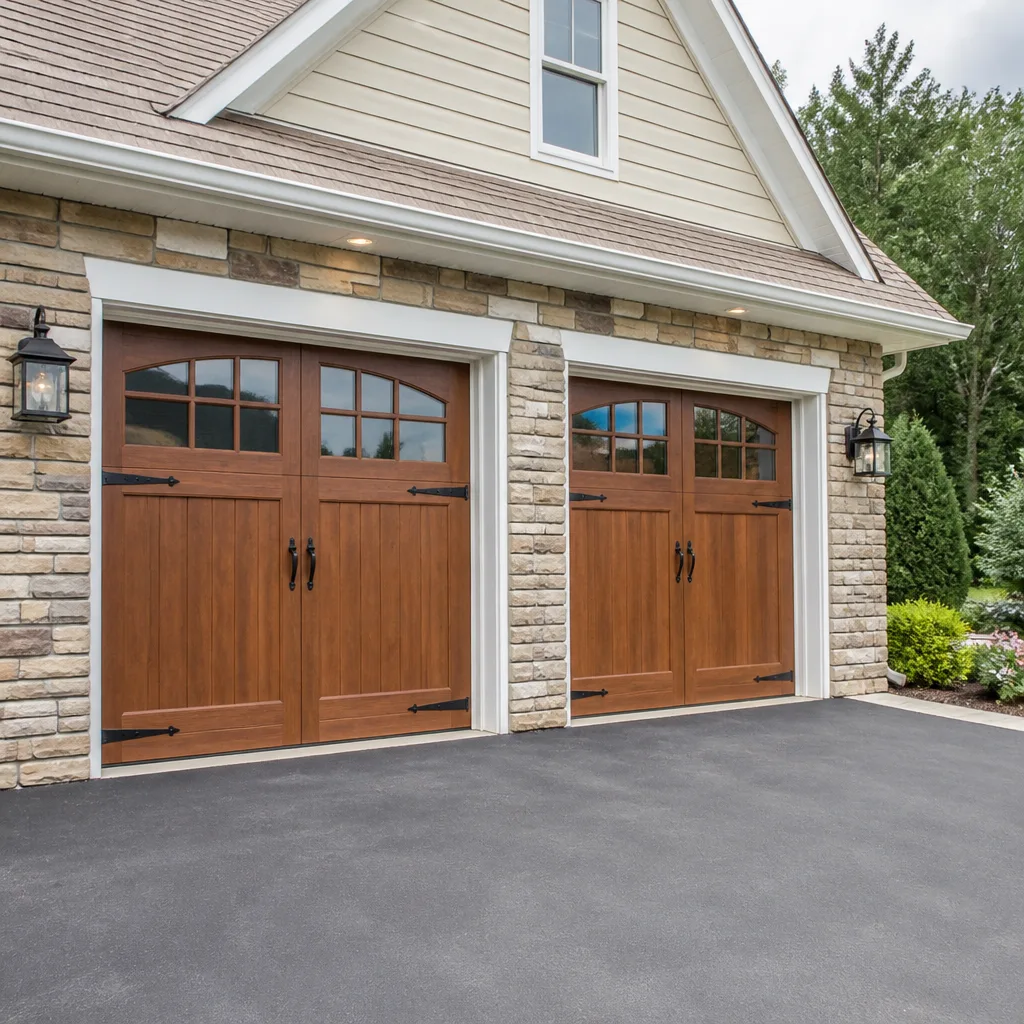 Carriage house
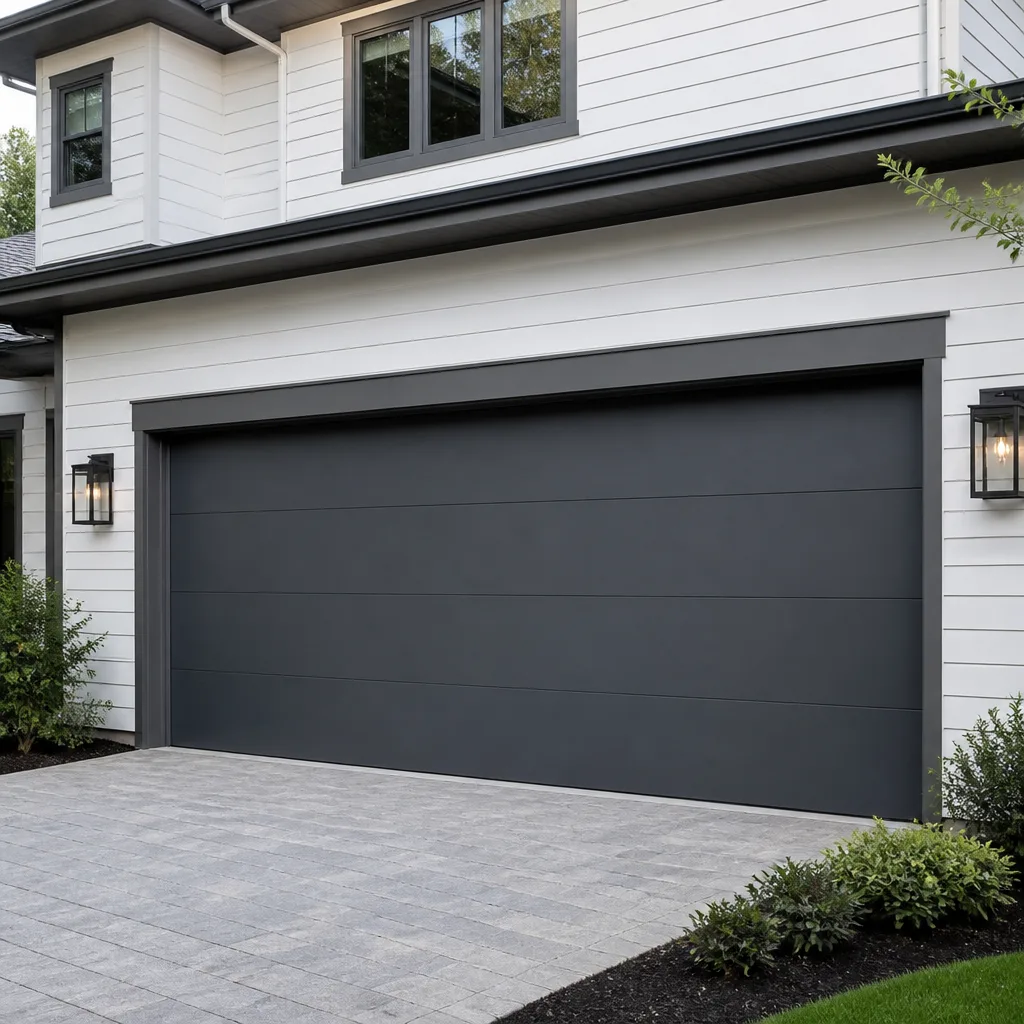 Modern flush
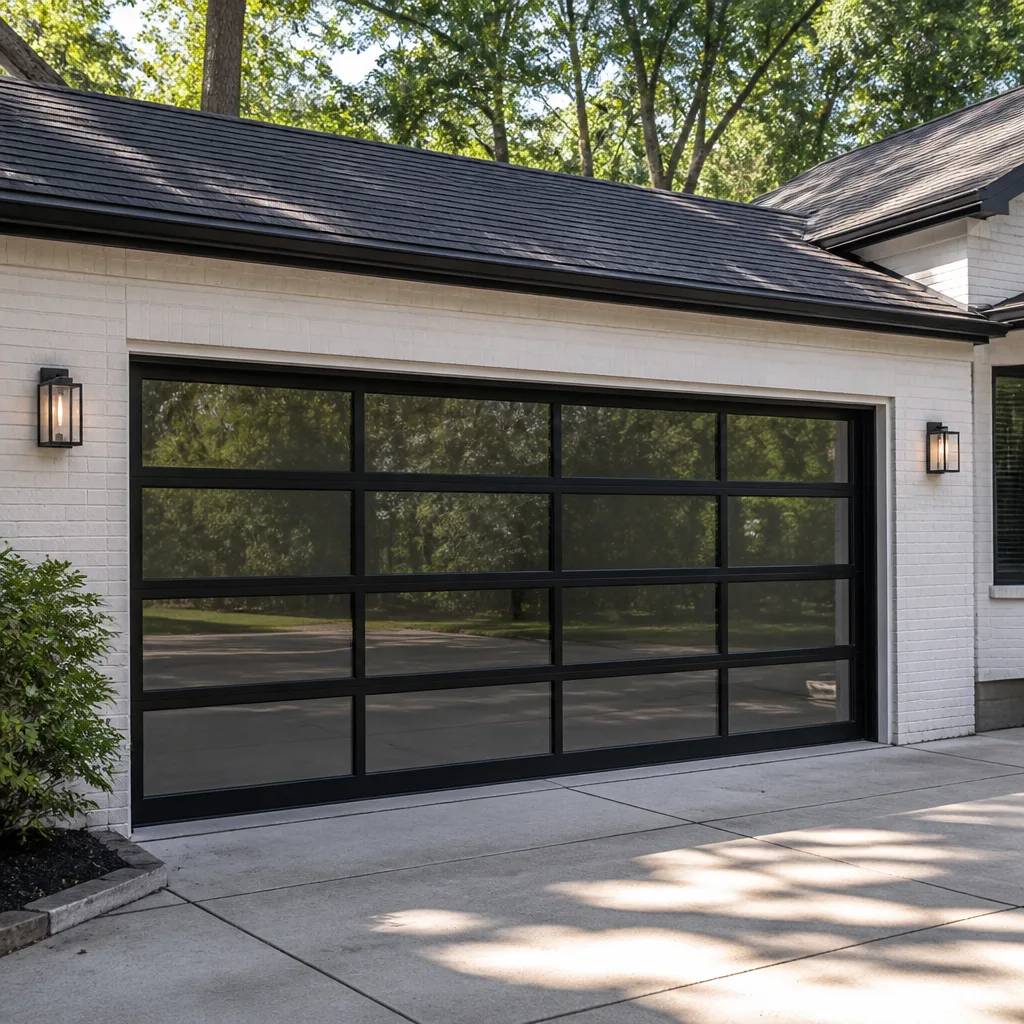 Full-view glass
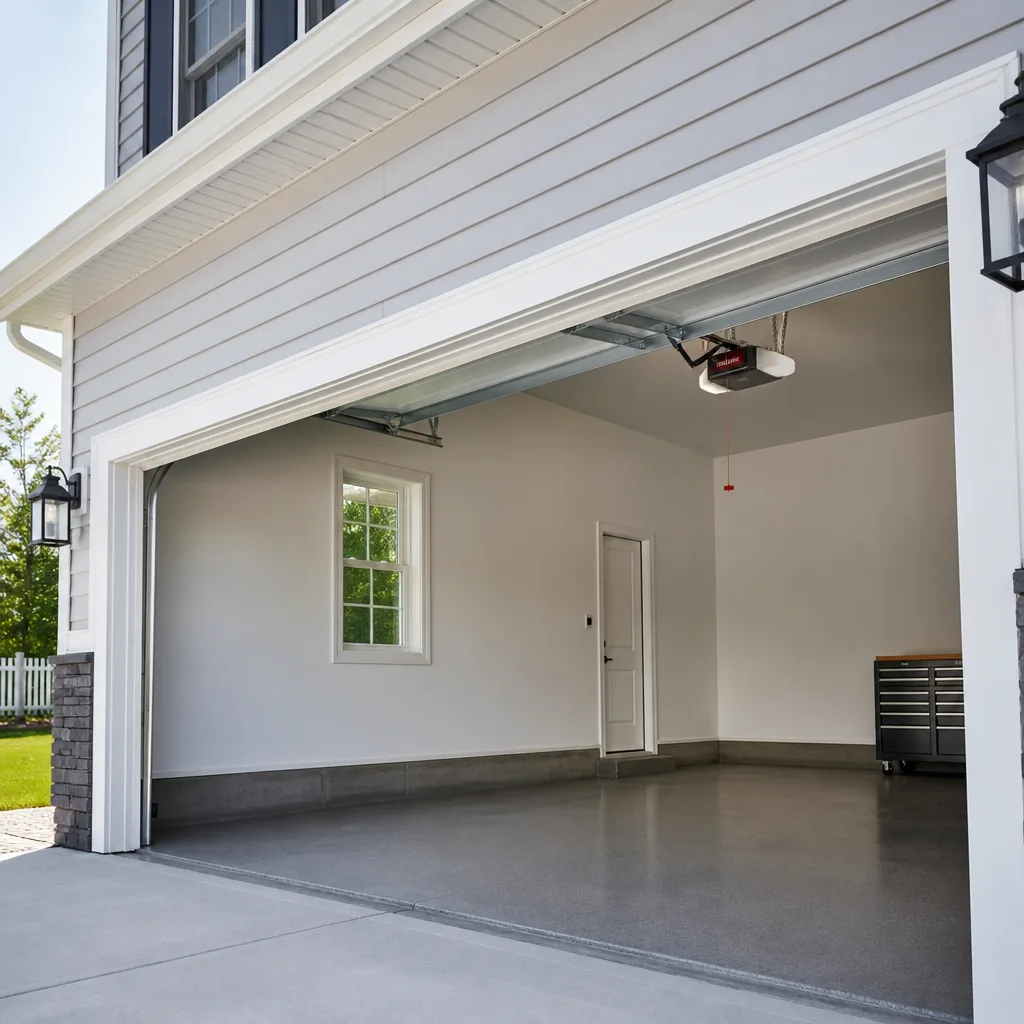 LiftMaster openers
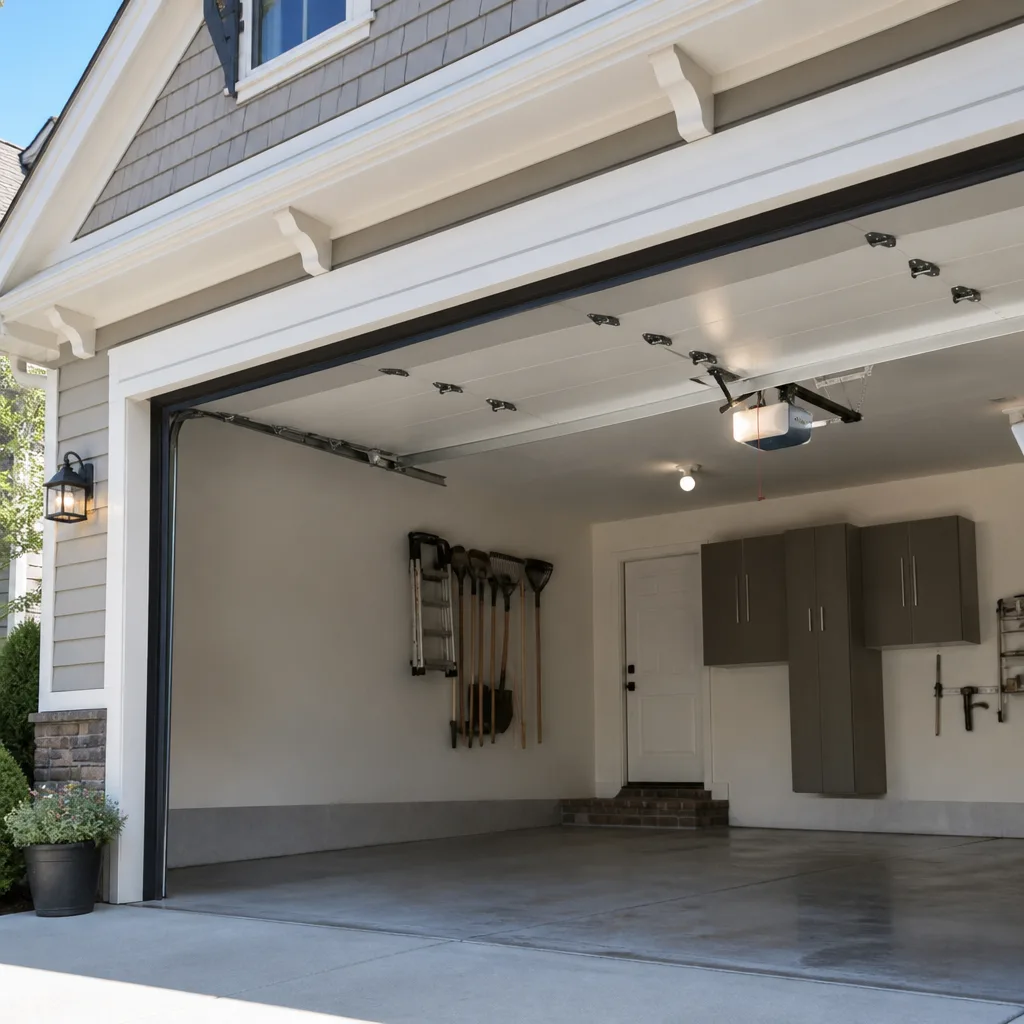 Chamberlain openers
Full 25-point door and opener safety check with every visit - springs, cables, rollers, tracks, and your LiftMaster or Chamberlain opener included
You get a price before we start. It does not change when the truck arrives.
Get your free estimateHow to Hire a Garage Door Contractor in Santa Ana: A Step-by-Step Guide
A contractor who asks “what brand do you want?” before they’ve inspected your current system is not diagnosing your garage door. They’re running a sales script. You didn’t call for a sales pitch; you called because something is broken, loud, or refusing to open. In Santa Ana, where the coastal air accelerates rust on hardware and the summer heat bakes opener circuit boards inside uninsulated garages, the difference between a real diagnosis and a brand pitch is the difference between a $180 repair and a $1,400 replacement you didn’t need. This guide walks you through exactly how to vet a garage door contractor in Santa Ana before they ever set foot in your driveway. You’ll learn the three diagnostic questions that expose sales-driven shops, how to verify a California contractor license, what a red-flag quote looks like, and why the labor warranty matters more than the parts warranty.
Quick Answer
To hire a garage door contractor in Santa Ana, verify their California contractor license through the CSLB website, confirm they work on your existing brand rather than pushing a replacement, get a written quote with specific line items before agreeing to any work, and ask what the labor warranty covers. A brand-versatile specialist who diagnoses before selling is worth more than a polished pitch from a single-brand dealer. Santa Ana Garage Door Service home offers free estimates and works on eight major brands without steering you toward any single manufacturer.
Styles & brands we work with
Table of Contents
- The Three Diagnostic Questions to Ask Before You Book
- How to Verify a California Contractor License
- Red Flags in a Garage Door Quote
- Parts Warranty vs. Labor Warranty: Why It Matters
- Why Brand Range Capability Changes Everything
- Step-by-Step: Hiring a Contractor in Santa Ana
- Common Mistakes to Avoid
- When to Call a Professional
- Frequently Asked Questions
The Three Diagnostic Questions to Ask Before You Book
Anyone can say they fix garage doors. The phone-book level of difference is whether they diagnose or sell. Before scheduling a visit in Santa Ana, ask these three questions over the phone. You’ll know within ninety seconds which kind of company you’re talking to.
Question 1: “What brands do you work on?”
An honest contractor answers with specifics. A sales-driven shop hesitates or pivots. If the answer is “all of them” with no follow-up, that’s a red flag. If the answer is “we specialize in one brand,” that’s also a red flag unless your door happens to be that brand. The gold-standard answer names the manufacturers outright. We work on LiftMaster, Chamberlain, Genie, Clopay, Amarr, Wayne Dalton, Craftsman, and Raynor. That covers virtually every residential door or opener a Santa Ana homeowner is likely to have. A specialist should be able to walk into your garage, look at the rail, the panel hinges, the spring system, and tell you what you have without checking a label on the floor.
Question 2: “Will the technician diagnose before quoting a replacement?”
This is the question that separates repair-minded contractors from replacement-pushers. The honest answer is yes, and the quote follows the diagnosis. The evasive answer sounds like “well, we’ll have the tech assess it” or “it depends.” Ask it directly. A company that admits they diagnose the actual system before recommending anything has a structural incentive to fix rather than replace. A company that avoids the question has a structural incentive to replace rather than fix. In our experience, most garage door issues in Santa Ana are repairable at a fraction of replacement cost. The door might need a $22 roller or a $60 hinge. That’s rarely what gets pitched when the technician’s compensation is tied to new-install commissions.
Question 3: “Does your quote change once the technician inspects the door?”
The answer should be no, or at minimum: the quote is a ceiling, not a floor. Contractors who quote low over the phone and then “discover” additional issues after they’ve started work are running a bait-and-switch. In Santa Ana, this is unfortunately common with out-of-area lead-generation companies that dispatch subcontractors. A legitimate company will tell you the price is quoted and agreed before any work starts, and that the written estimate is what you’ll pay unless you approve a change order in writing. If the answer is vague, the quote is worthless. Get it in writing, with line items, before anyone touches your door.
How to Verify a California Contractor License
In California, garage door contractors must hold a valid license issued by the Contractors State License Board, the CSLB. Verifying this takes three minutes and eliminates 80% of the risk in hiring. The process is simple enough that there’s no excuse to skip it.
- Go to cslb.ca.gov and click “Check a License.” You’ll see a search box for license number, business name, or personnel name.
- Search the business name exactly as they advertise it. A company advertising “Santa Ana Garage Door Service” should return a matching license with an active status. If the name doesn’t appear, try the owner’s name.
- Confirm the classification. Garage door work generally falls under the C-61/D-28 classification (Door and Gate) or a general B classification for larger firms. Look for a classification that actually covers door work. A painting contractor’s license does not authorize garage door repair.
- Check for workers’ compensation insurance. The license detail page shows whether the contractor carries workers’ comp. If a technician gets injured on your property and the company doesn’t have coverage, you can be held liable. This is not a theoretical risk.
- Check the license issue date and any disciplinary actions. A license issued recently isn’t automatically a problem, but a long-running license with no complaints is a stronger signal than a brand-new one with two open disputes.
The CSLB also maintains a consumer complaint database. If a contractor has a pattern of unresolved complaints about overcharging or incomplete work, that information is public. You don’t need to become an investigator; you just need to spend the three minutes it takes to verify that the person you’re about to let into your garage is actually licensed to be there.
Red Flags in a Garage Door Quote
A written estimate is a diagnostic document. It tells you how the contractor thinks. Read it carefully before signing. Here are the patterns that signal trouble before any wrench turns.
Vague line items. A quote that says “door repair – $450” without specifying what’s being repaired is not a quote; it’s a placeholder for a negotiation. Legitimate estimates break down the work: “Replace two extension springs, adjust track alignment, lubricate rollers, test opener force settings.” If the line items don’t tell you what you’re paying for, you don’t know what you’re paying for.
Brand-steering language. If the quote arrives with a brochure for a specific manufacturer and phrases like “we recommend upgrading to a brand-new [Brand] system” when you called about a noisy opener, that’s a sales tactic. The contractor’s incentive is aligned with the manufacturer’s margin, not with your door’s actual condition. A brand-agnostic technician will tell you what’s wrong and what it costs to fix it, whether that’s a Chamberlain rail adjustment or a Clopay panel replacement.
“Package” pricing that bundles unnecessary components. The classic version: “Complete spring replacement package: both springs, rollers, cables, and hinges – $890.” When you ask why the rollers and hinges need replacing, the answer is usually “while we’re in there.” Sometimes that’s legitimate. More often, it’s a way to inflate the ticket. If the rollers aren’t worn and the hinges aren’t cracked, you don’t need them replaced. A trustworthy contractor will separate “required” from “recommended” on the estimate and let you decide.
Refusal to itemize. If a contractor won’t break down the quote into parts and labor, walk away. This is not a negotiation tactic on your part; it’s basic transparency. The parts are priced, the labor is priced, and the total is the sum of those things. Anyone who can’t show you that math is hiding something, usually a markup that can’t survive daylight.
Parts Warranty vs. Labor Warranty: Why It Matters
Warranty language is where the fine print does the work. Most homeowners focus on the parts warranty because it’s a tangible thing: a spring that fails within its rated life gets replaced free. That’s important, but it’s not where the real money hides.
The parts warranty covers the component. A torsion spring is typically rated for 10,000 cycles, which translates to roughly 7 to 12 years in a typical Santa Ana home where the door opens three to five times daily, though proper Seasonal Garage Door Care for Santa Ana: Year-Round Homeowner’s Guide can extend component life. If the spring breaks prematurely, the manufacturer replaces the spring. Simple.
The labor warranty covers the installation. This is the part that actually matters. If a spring breaks six months after installation because the technician sized it incorrectly, the parts warranty replaces the spring. But someone still has to put it on. Without a labor warranty, you pay for that second installation. With one, you don’t. In garage door work, most failures in the first year are installation errors, not material defects. A contractor confident in their work will include labor coverage in writing. Ask directly: “What’s the labor warranty on this repair?” A vague answer is your cue to keep looking.
The strongest signal: a written warranty that names the specific components and dates the coverage period. “One-year warranty on all parts and labor” is solid. “Springs are covered by manufacturer” without mentioning labor is not.
Why Brand Range Capability Changes Everything
Here’s the structural difference between a specialist and a dealer: a dealer has one incentive, and it’s the margin on the brand they sell. A brand-versatile specialist has no brand incentive, which means the diagnosis is driven by the actual problem, not by what’s most profitable to install.
This matters in Santa Ana because the housing stock is diverse. Homes in French Park have original 1950s doors on the original tracks. Homes in West Floral Park have newer panel systems from Amarr or Clopay. Homes near South Coast Metro have openers from Chamberlain, LiftMaster, Genie, or Craftsman, depending on what the builder installed or the previous owner replaced. A single-brand dealer who shows up to a home with a Wayne Dalton door and a craftsman opener is already looking for reasons to replace both. A versatile specialist simply fixes what’s there.
We fix what you have. We don’t sell you what you don’t need. Whether it’s a Clopay panel or a LiftMaster drive system, our technicians have worked on it before. That’s not a marketing line; it’s the structural difference between a specialist and a dealer. A specialist’s training covers the full spectrum of major manufacturers. A dealer’s training covers whichever brand their franchise agreement names. When the garage door breaks at 7 a.m. on a Monday and you can’t get your car out, you don’t want a diagnosis that happens to align with a sales quota. You want someone who already knows your system.
Garage Door Repair in Santa Ana requires this exactly: the ability to diagnose what’s actually wrong rather than what’s easiest to sell.
Step-by-Step: Hiring a Contractor in Santa Ana
Here’s the full process, in order, from the moment you decide to call someone to the moment the job is done. This is the sequence that protects you from the common failure modes.
- Call and ask the three diagnostic questions. Brand range, diagnosis before replacement, and whether the quote changes after inspection. If you don’t like the answers, end the call.
- Verify the license with the CSLB. Three minutes online. Confirm the classification and workers’ comp status. No license, no hire. No exceptions.
- Describe the symptom accurately. “The door shudders when it opens and the remote takes three presses to work” is more useful than “the door is broken.” A good contractor will ask follow-up questions on the phone and may be able to bring the likely parts on the first visit.
- Get the estimate in writing before the technician arrives, or insist on a written quote before any work begins. The quote should itemize parts and labor separately. You should know what you’re paying before the first tool comes out.
- Ask what’s required versus what’s recommended. If the technician finds additional issues during diagnosis, they should separate “this needs to be fixed to make the door safe and functional” from “this will eventually wear out and you could do it now.” You are allowed to say no to the recommended stuff.
- Confirm the labor warranty in writing. The estimate or invoice should state the labor coverage period. If it only mentions parts, ask for labor coverage in writing before you approve the work.
- Approve the work only after the price is agreed. You should be told the final number before the work starts, and the work should not deviate from that number without your written sign-off on a change order.
- Test the door before the technician leaves. Open it, close it, run the opener, listen for anything unusual. The job isn’t done until you’ve seen it work.
This process takes a few phone calls and a few minutes of verification. It’s the difference between hiring a specialist and gambling on a sales pitch.
For opener-specific work, the same process applies. Garage Door Opener Repair in Santa Ana follows the identical diagnostic-first sequence: identify the symptom, test the system, quote the repair, do the work.
Common Mistakes to Avoid
- Hiring the first name that comes up in a search ad without checking the license. Paid placement doesn’t equal competency. Verify the CSLB license before anything else.
- Accepting a quote that says “garage door tune-up” without itemization. A tune-up is a list of specific tasks: lubricate rollers, check spring tension, test safety reversal, adjust the opener force. If those tasks aren’t named, the quote is vague by design.
- Assuming all contractors work on all brands. They don’t. A single-brand dealer will tell you they can service anything, and then the technician arrives and recommends replacing the system. Ask the brand question before booking.
- Focusing on the parts warranty and ignoring the labor warranty. Labor is the expensive part. If a spring fails because the installer sized it wrong, a parts-only warranty means you pay for installation again.
- Skipping the visual test before the technician leaves. Run the door through a full open-close cycle, listen for grinding or slamming, and test the auto-reverse safety feature. If it doesn’t reverse when it hits an obstruction, it’s not done.
- Falling for “we have a special this week” urgency. Legitimate contractors don’t run limited-time specials on safety-critical repairs. If the price expires at midnight, the incentive is to make you sign, not to fix your door.
- Not asking about workers’ compensation insurance before the technician comes onto your property. If the company doesn’t carry it and the technician gets hurt, you can be held liable. This is a real exposure, not a hypothetical.
When to Call a Professional
Some garage door issues are noisy nuisances. Some are dangerous. High-tension springs and steel cables are under enormous load, and when they fail, they fail violently. If you hear a loud bang from the garage, if the door is stuck halfway with visible cable slack, or if you notice a visible gap in a coil spring, do not attempt to fix it yourself. This is not a DIY adjustment. A broken spring can release thousands of pounds of stored tension in a fraction of a second, and the failure mode is catastrophic. Similarly, if the door falls when you release it from the opener, the spring system has failed and the door’s weight is unmanaged. That’s a professional repair with the right tools and training, not a weekend project. For any of these conditions in Santa Ana, a licensed specialist should be on-site. Garage Door Installation in Santa Ana also covers full system replacements when repair isn’t the right answer. Santa Ana Garage Door Service offers free estimates in Santa Ana. Call (855) 341-7810.
Frequently Asked Questions
Most residential garage door repairs in Santa Ana run between $125 and $380, depending on the component, as detailed in The Complete Garage Door Repair Guide for Santa Ana Homeowners. A broken spring replacement typically costs $180 to $340, a roller replacement $125 to $200, and an opener repair $150 to $350. The final number depends on what’s actually wrong, which is why the diagnosis comes first. Call (855) 341-7810 for a free estimate on any repair.
We work on LiftMaster, Chamberlain, Genie, Craftsman, and the other major residential brands. If you have an opener that’s making noise, running without moving the door, or not responding to the remote, the issue is usually the logic board, the capacitor, the gears, or the travel limits. Whatever brand is on your door, we already know it.
Yes. Estimates are free. We diagnose the system, explain what’s wrong in plain language, and give you a written quote with parts and labor separated before any work begins. The price is quoted and agreed before any work starts.
No. The written quote is the number you pay unless you approve a change order in writing. We don’t run bait-and-switch pricing, and we don’t “discover” additional issues after the work starts. What you’re quoted is what you pay.
Our technicians carry the most commonly replaced components: springs, rollers, hinges, cables, and opener parts. If your issue is a standard repair, it’s typically completed on the first visit. For less common parts, we’ll let you know before scheduling so you know what to expect.
If the door is structurally sound and the issue is a worn component, a repair is usually the right answer. If the panels are cracked or rotted, the door is more than 20 years old and the springs are original, or the opener has failed twice in the last year, replacement starts to make sense. We’ll tell you the honest answer either way, not the one that’s most profitable.
The Bottom Line
Hiring a garage door contractor in Santa Ana comes down to this: ask the three diagnostic questions before you book, verify the license before the technician arrives, get a written itemized quote before any work starts, and insist on a labor warranty in writing. The contractor who diagnoses before selling, who works across brands rather than pushing one, and who tells you when a repair is sufficient rather than always recommending replacement has a structural incentive to do right by you. Santa Ana has a lot of aging garage door systems, and the right contractor is the one who knows your specific door, not the one with the best ad spend. Call (855) 341-7810 for a free estimate. We fix what you have. We don’t sell you what you don’t need.
Written by the team at Santa Ana Garage Door Service, serving Santa Ana since 2011.
See the difference
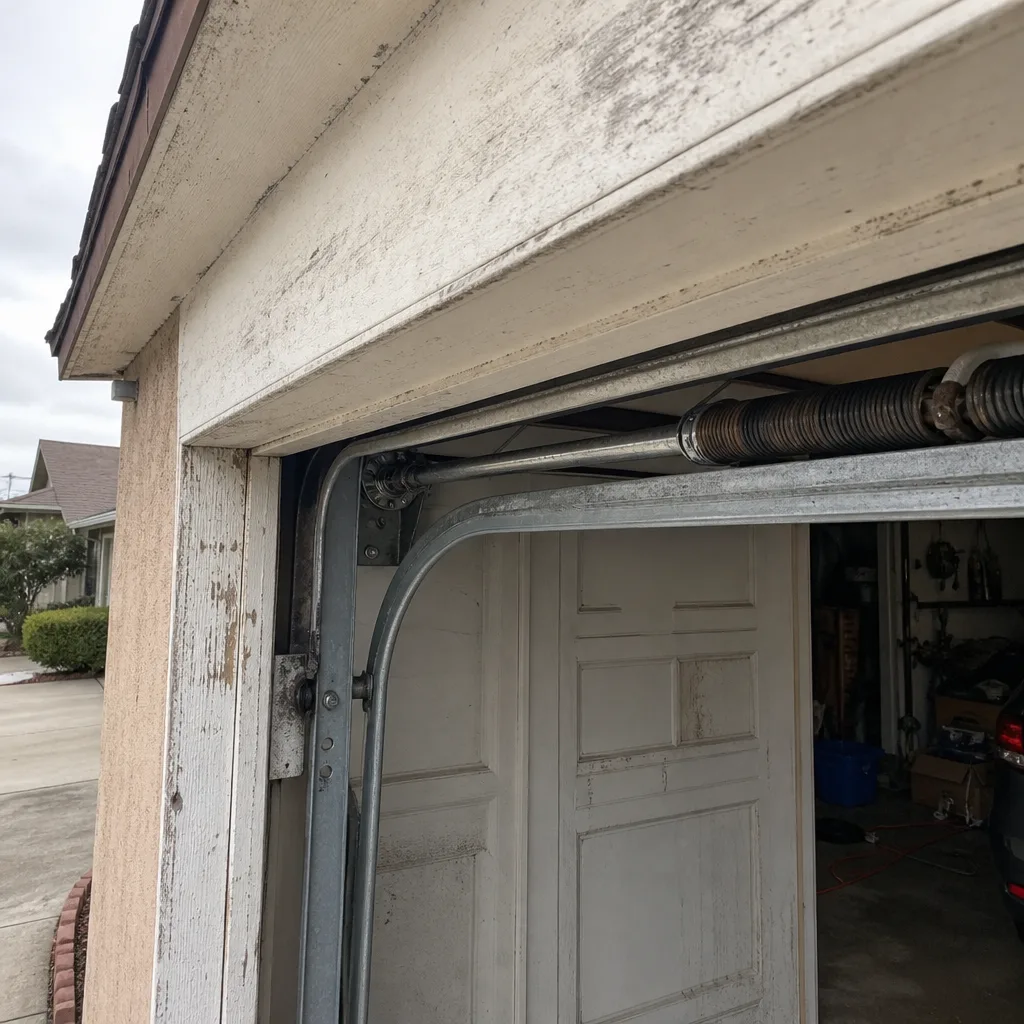 Before
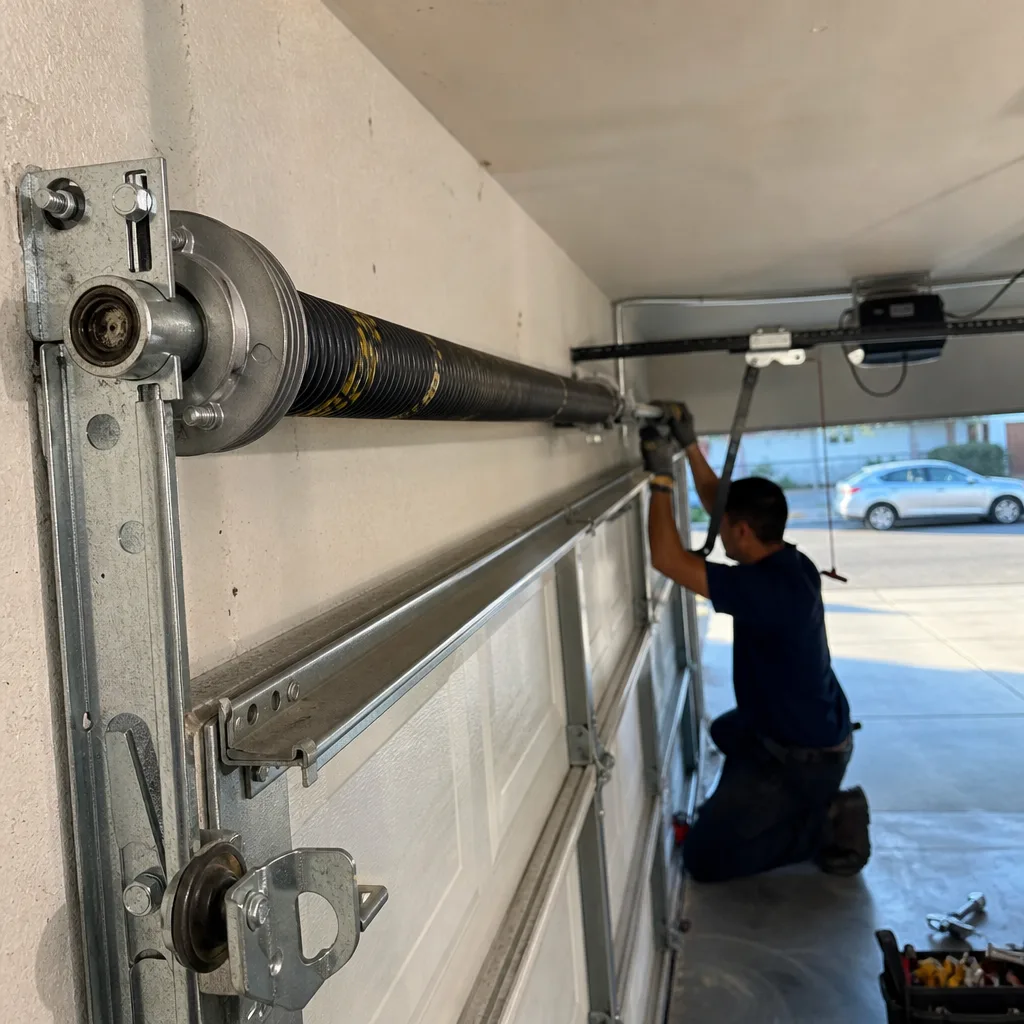 After
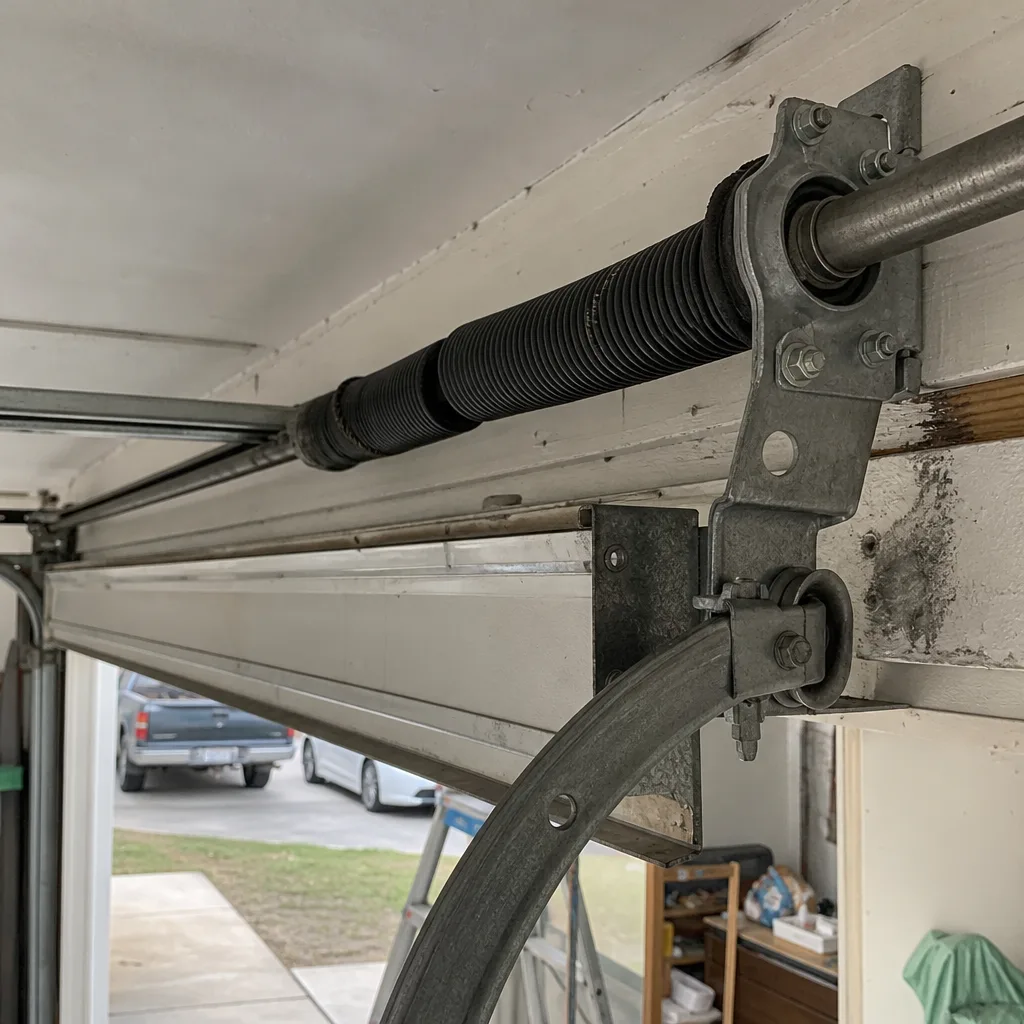 Before
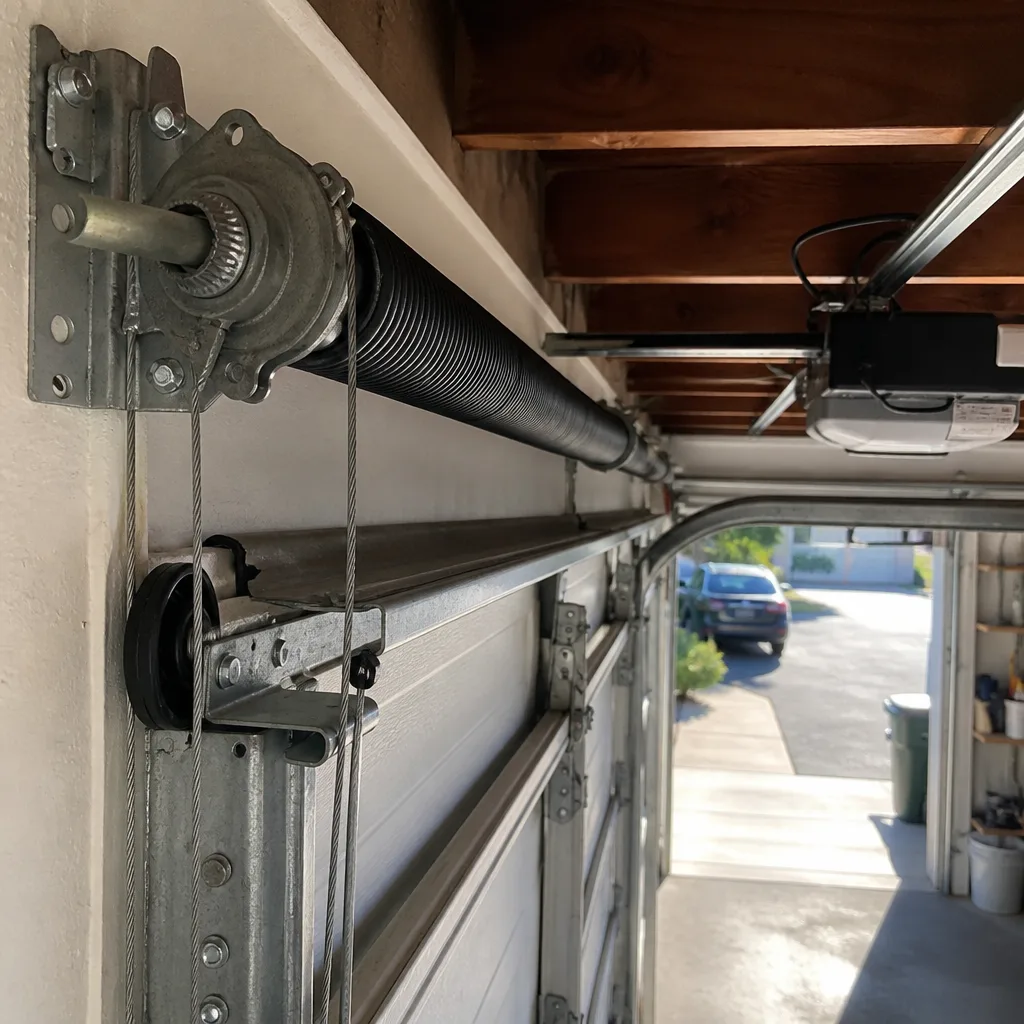 After
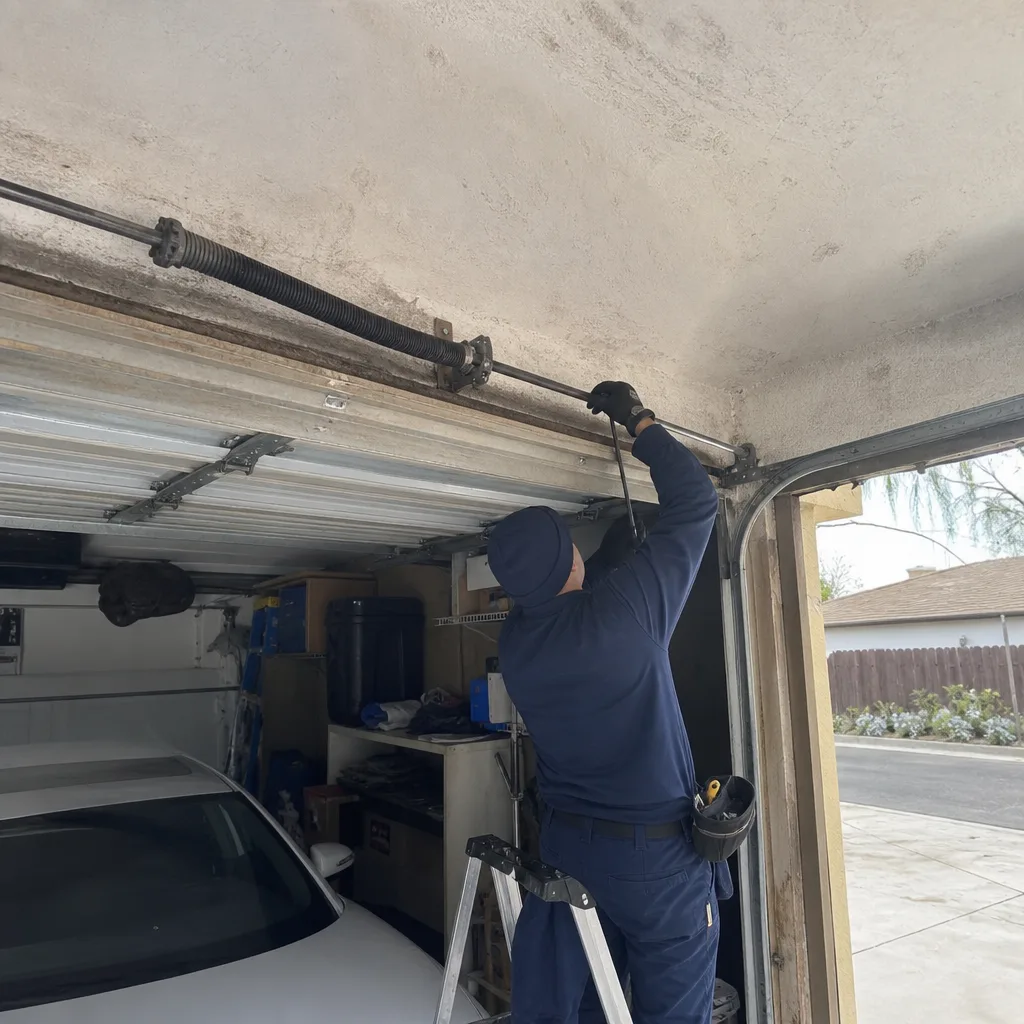 Before
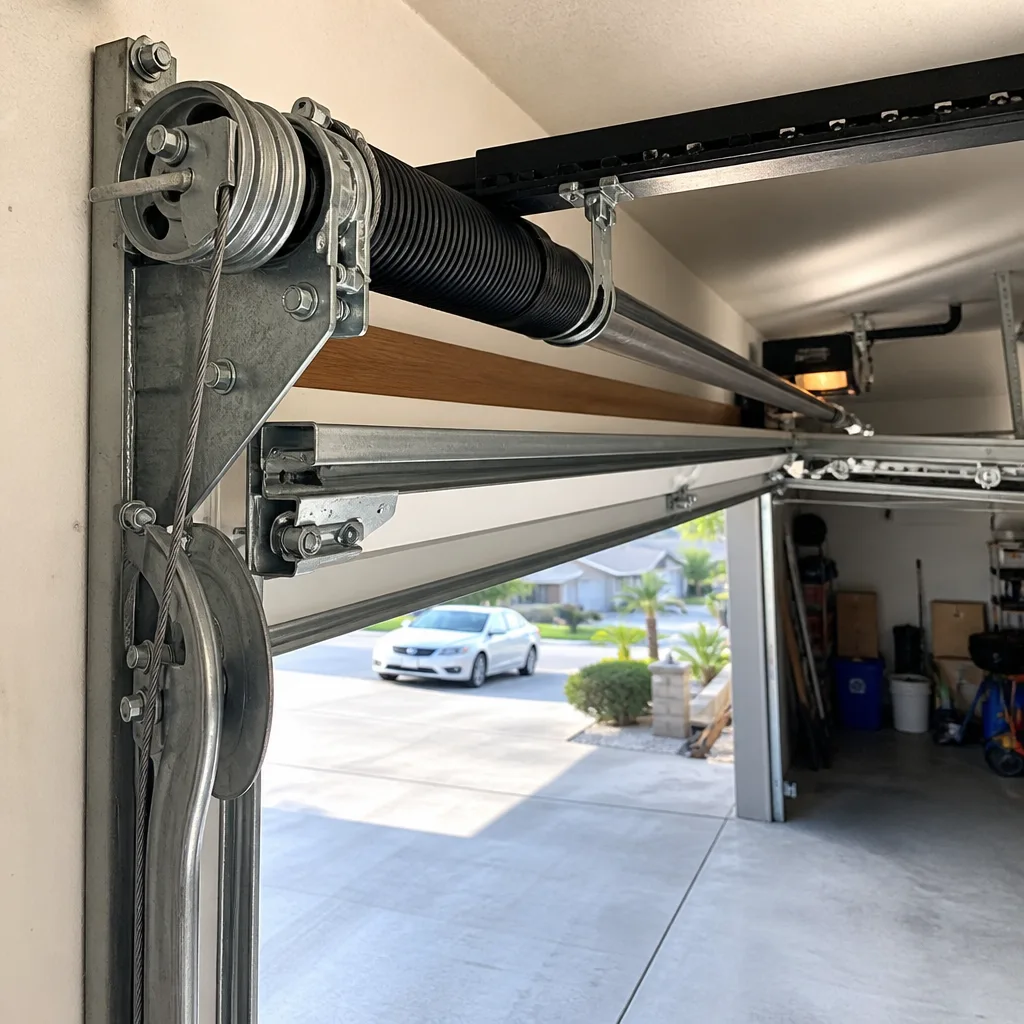 After